
What Really Happens When a Pega Case Is Saved
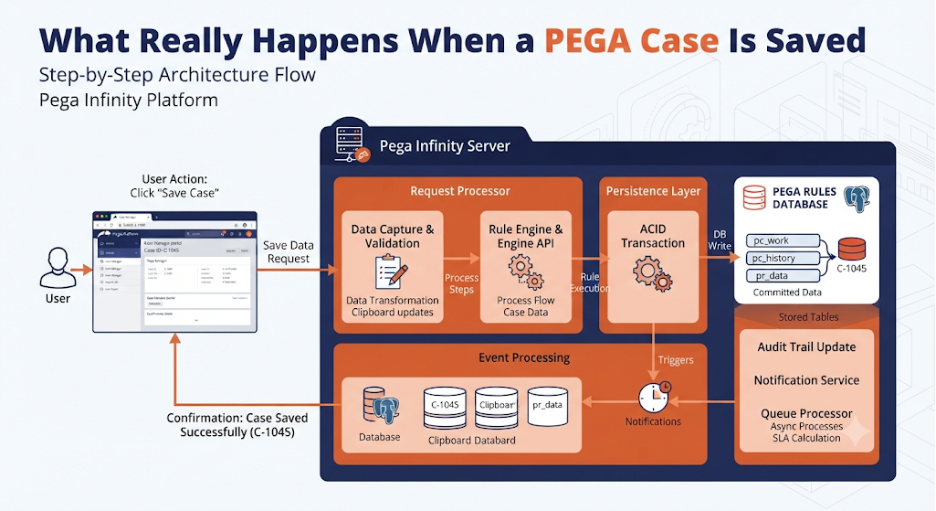
Introduction Saving a case in Pega may look like a simple user action: a developer or application user changes a field and clicks Save. Behind that single action, however, Pega can perform a sequence of operations involving the UI layer, requestor context, Clipboard, validation, business rules, persistence, database transactions, locking, history, indexes, and integrations. Understanding […]
The Role of Logging in Debugging Full Stack Applications
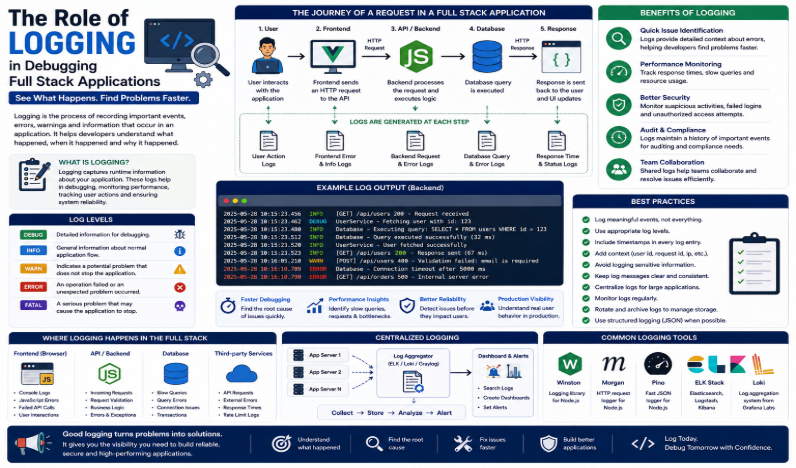
Modern full stack applications contain many connected layers. These include frontend interfaces, backend services, APIs, databases, authentication systems, and third-party services. When something goes wrong, finding the exact cause can be difficult. An issue in one layer can also affect other parts of the application. Developers therefore need reliable ways to understand what happens inside […]
Idempotency: The Secret Behind Reliable APIs
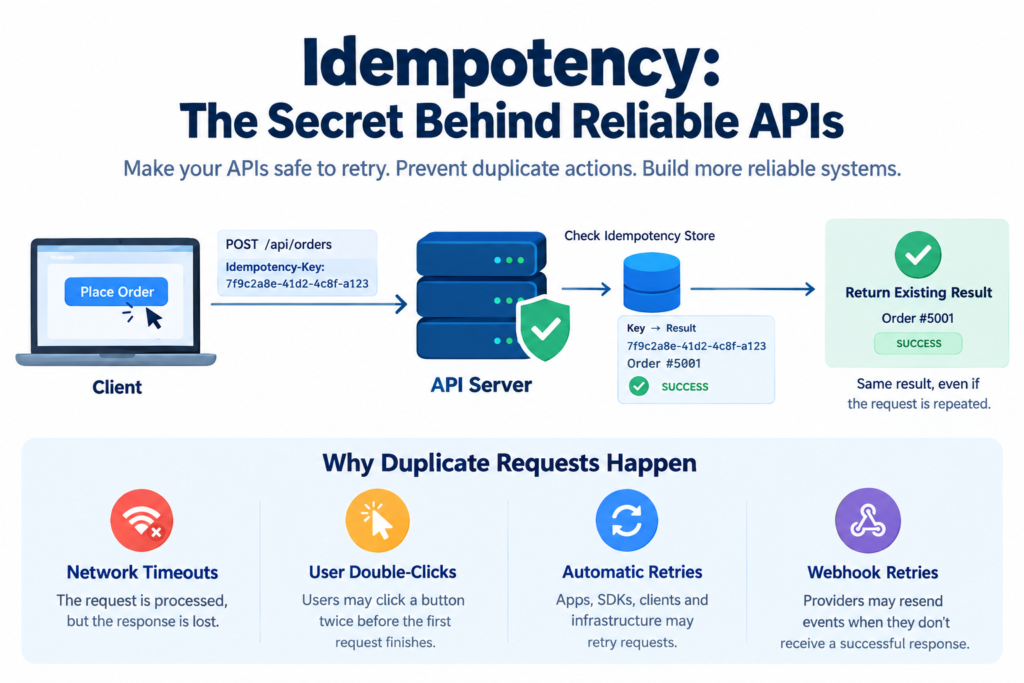
Modern applications rarely run in perfect conditions. Networks fail.Requests time out.Servers restart.Users click buttons twice.Payment providers retry webhooks.Mobile apps reconnect. Because of these issues, the same API request can reach a server more than once. So, what happens when the server processes the same request twice? If the operation runs twice, the API may create […]
Pega Clipboard Memory Leaks: How Innocent Page Lists Can Become Production Performance Problems

Introduction Performance problems in Pega applications do not always come from slow database queries or poor integrations. Sometimes, the problem is much closer to the runtime. One common cause is excessive data stored on the Clipboard. The Pega Clipboard acts as runtime working memory during case processing. It can hold case data, embedded pages, Page […]
The Enterprise AI Advantage: Why the AI Harness Matters More Than the Model
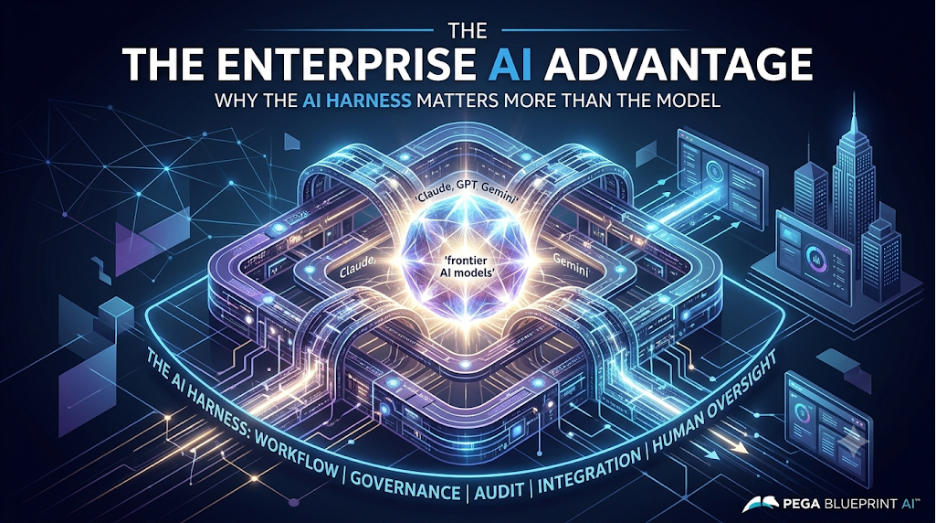
Every enterprise can now access powerful AI models such as Claude, GPT, and Gemini. These models continue to improve. However, they are also becoming widely available. As more companies use the same models, the model itself may no longer provide a lasting competitive advantage. The real advantage comes from what businesses build around the model. […]
The Hidden Lifecycle of a Pega Requestor
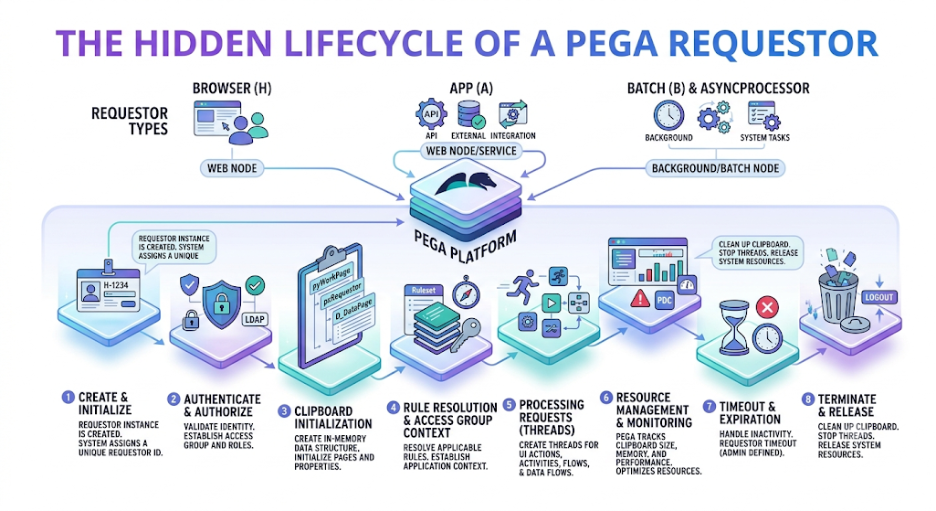
Introduction In Pega, every interaction with the application uses a Requestor. A Requestor represents the connection or session between a client and the Pega Platform. Developers usually focus on cases, activities, Data Pages, flows, and user interfaces. However, the Requestor quietly manages many of the runtime details needed to process these operations. Understanding the Requestor […]
Webhooks: Event-Driven Communication Between Applications
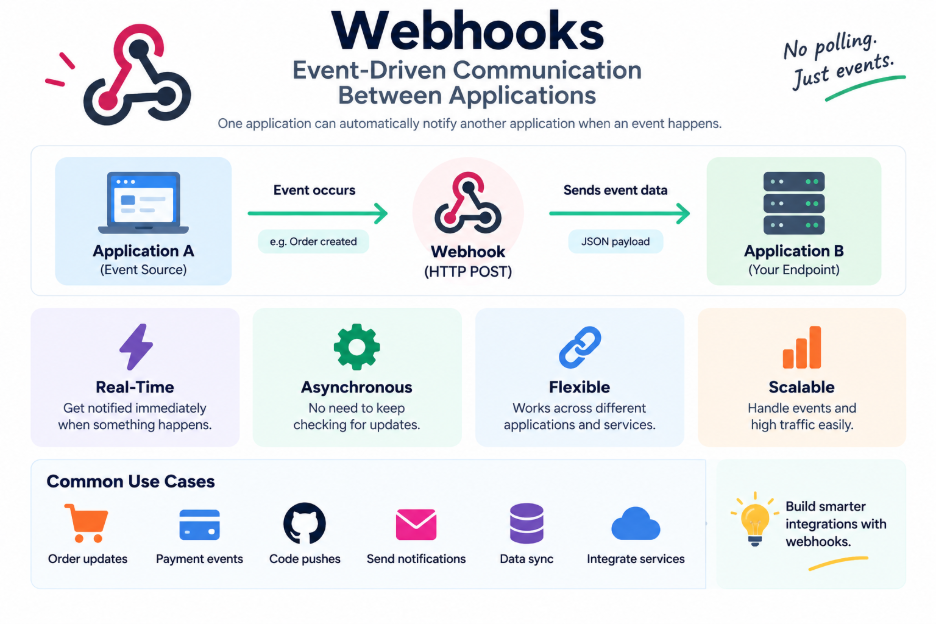
Modern applications need to communicate when something happens. A payment may complete, a user may sign up, a developer may push code, or a customer may place an order. Instead of checking another system again and again, an application can use webhooks. Webhooks send automatic notifications when a specific event occurs. As a result, applications […]
Understanding Cloud Services in Simple Terms
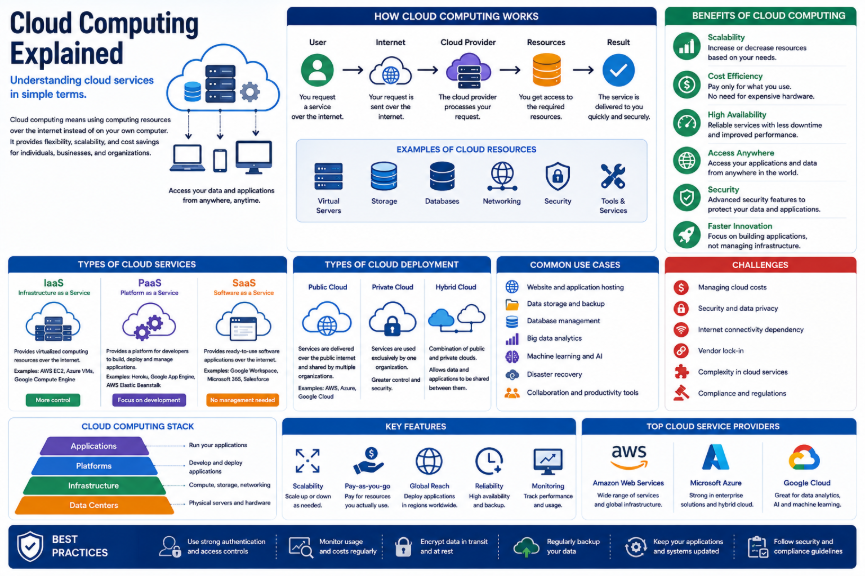
Cloud computing has become an essential part of modern technology. People use cloud-based services every day when they store photos online, stream videos, use email, access online applications, or save documents without keeping everything directly on their computers. Businesses also rely on cloud computing to host websites, store data, run applications, and provide services to […]
Database Indexing: Why Some Queries Are Fast and Others Are Slow
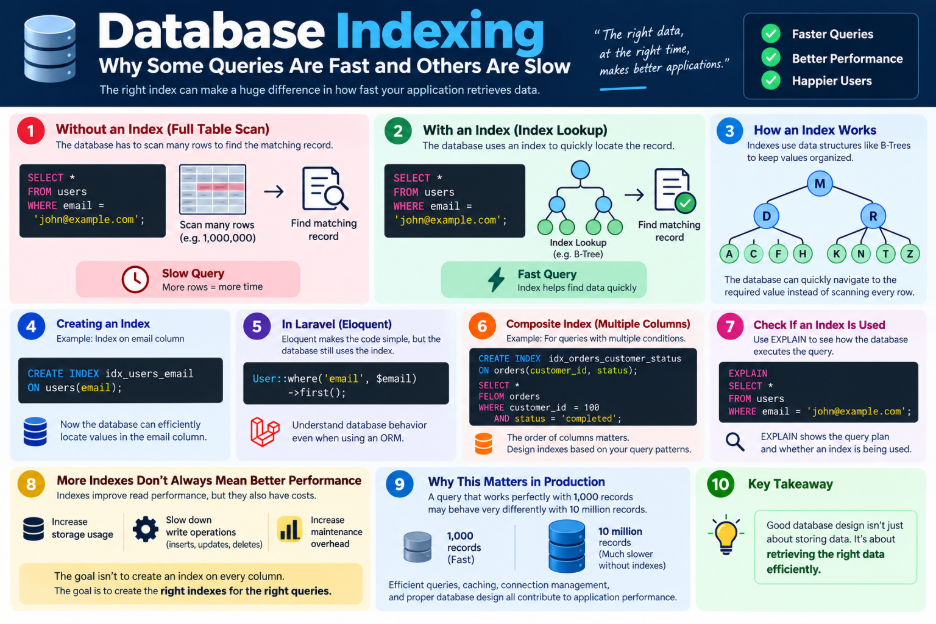
An application can have well-designed APIs and a powerful server and still feel slow. One common reason is database performance. Consider this query: SELECT * FROM users WHERE email = ‘john@example.com‘; If the users table contains only a few hundred records, the query may feel instant. But what happens when the table grows to millions of records? […]
The Software Supply Chain Attack Crisis in 2026: Why Trusted Software Is Becoming a New Security Risk
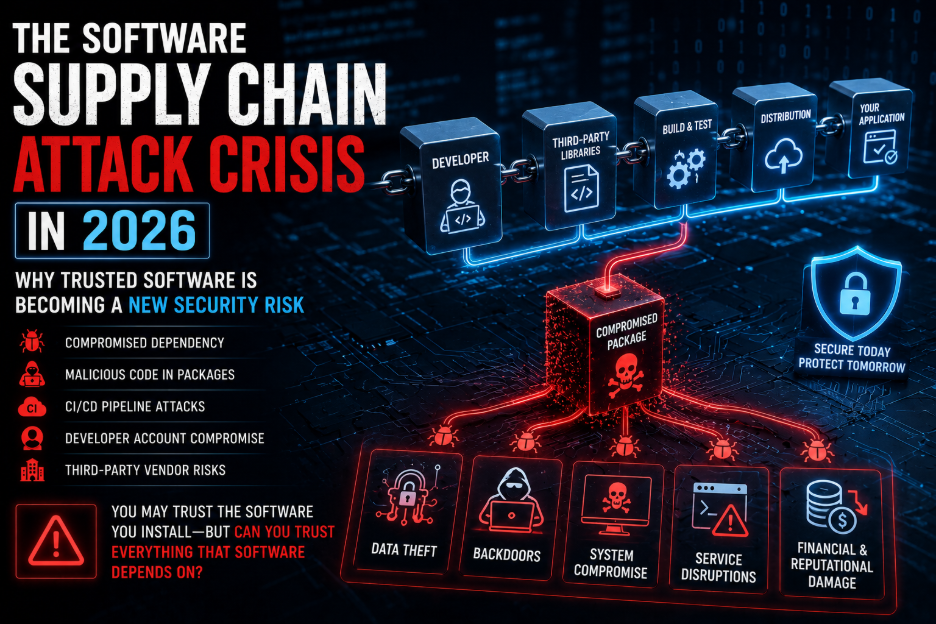
When organizations think about cybersecurity, they often focus on protecting their own servers, applications, networks, and employees. But modern software is rarely built entirely from scratch. A single application can depend on hundreds or even thousands of external components, including open-source libraries, third-party packages, cloud services, APIs, development tools, and software vendors. This creates a […]
