
Database Indexing Techniques for Faster Backend Performance
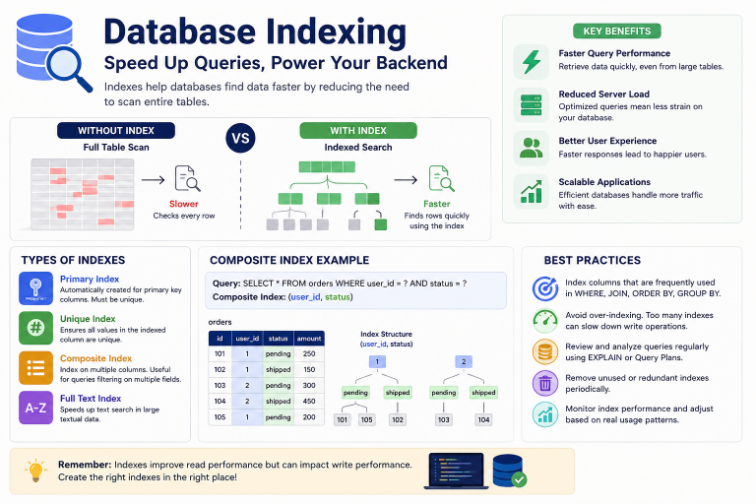
Database indexing is an important technique for improving the performance of backend applications. Properly designed indexes allow databases to locate records more efficiently instead of scanning an entire table. This can significantly reduce query execution time, especially when working with large datasets. Understanding Database Indexes An index is a data structure maintained by the database […]
What Makes a Full Stack Application Production-Ready?
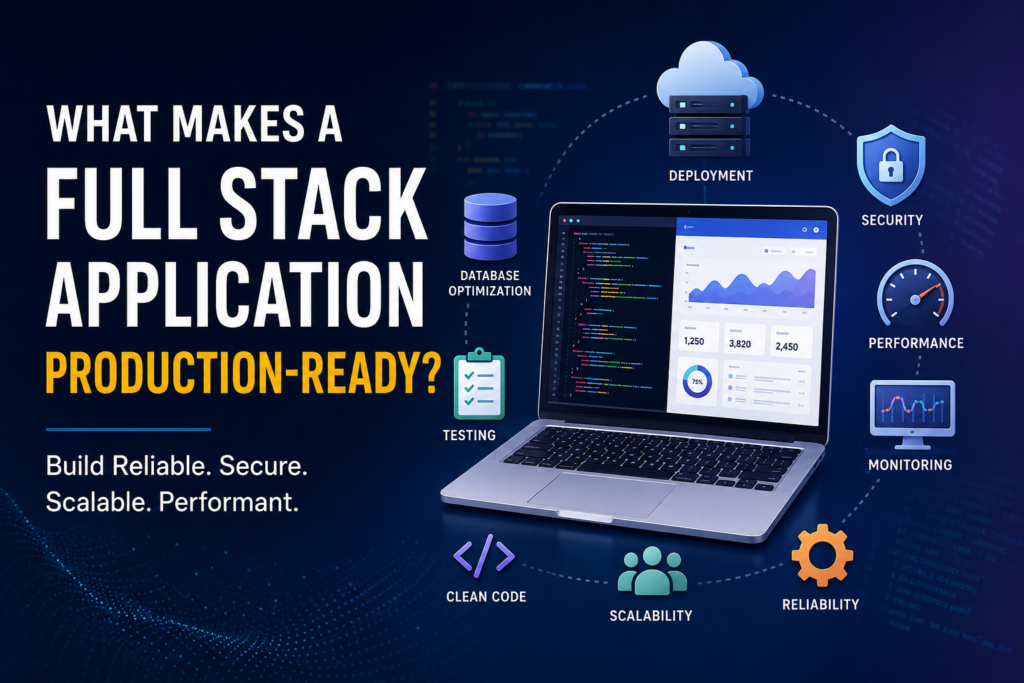
Introduction A feature that works successfully on a developer’s local machine is not necessarily ready for production. In a real-world environment, an application must handle real users, unexpected inputs, security threats, increasing traffic, database failures, network issues, and changing business requirements. Therefore, there is an important difference between working software and production-ready software. For a […]
Behavior-Driven Development (BDD): Benefits and Common Pitfalls
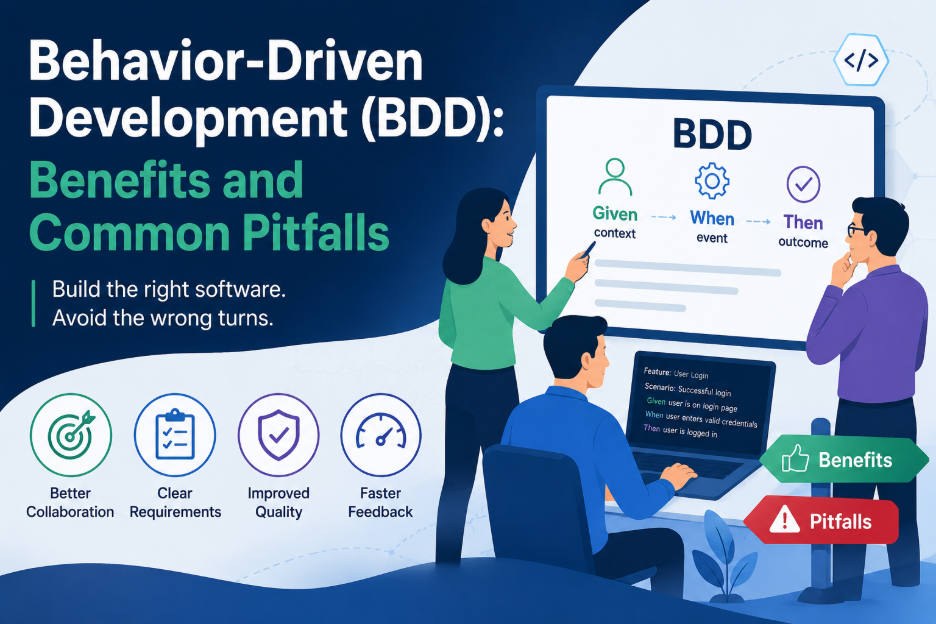
Introduction Software teams often face the same problem. A developer builds a feature based on the ticket. Then, a tester finds an issue and reports it as a bug. However, the product owner may say that the feature was never meant to work that way. In this situation, everyone may have followed their own understanding […]
Reverse Proxy: Architecture, Benefits, and Use Cases
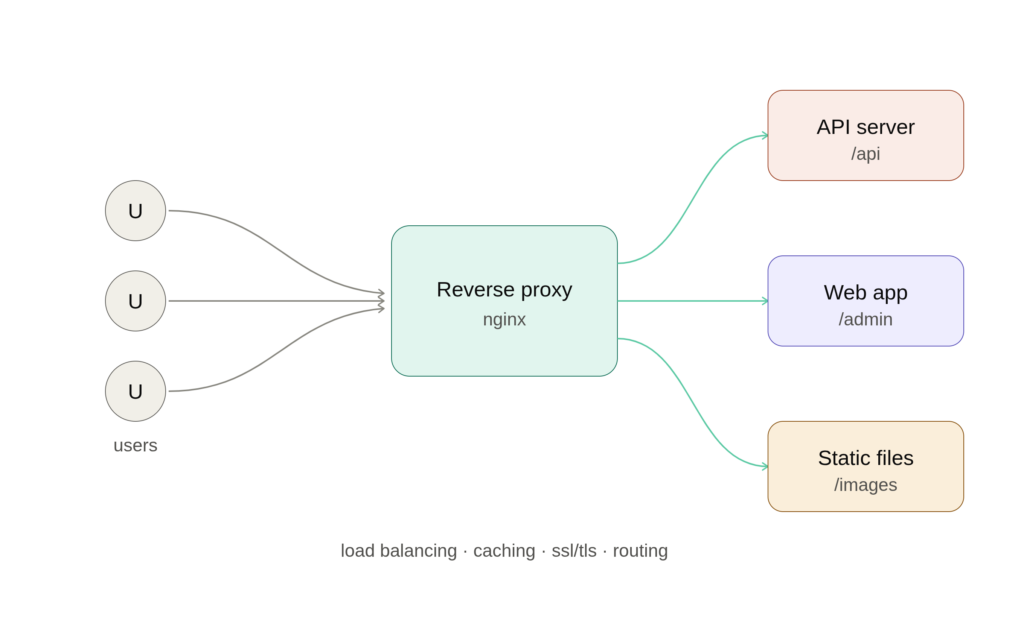
When users access a website or application, their requests need to reach the correct server. As applications grow, managing traffic, security, and multiple servers can become difficult. A reverse proxy helps by sitting between users and backend servers and forwarding requests to the appropriate server. What is a Reverse Proxy? A reverse proxy is a […]
Docker for Full Stack Developers
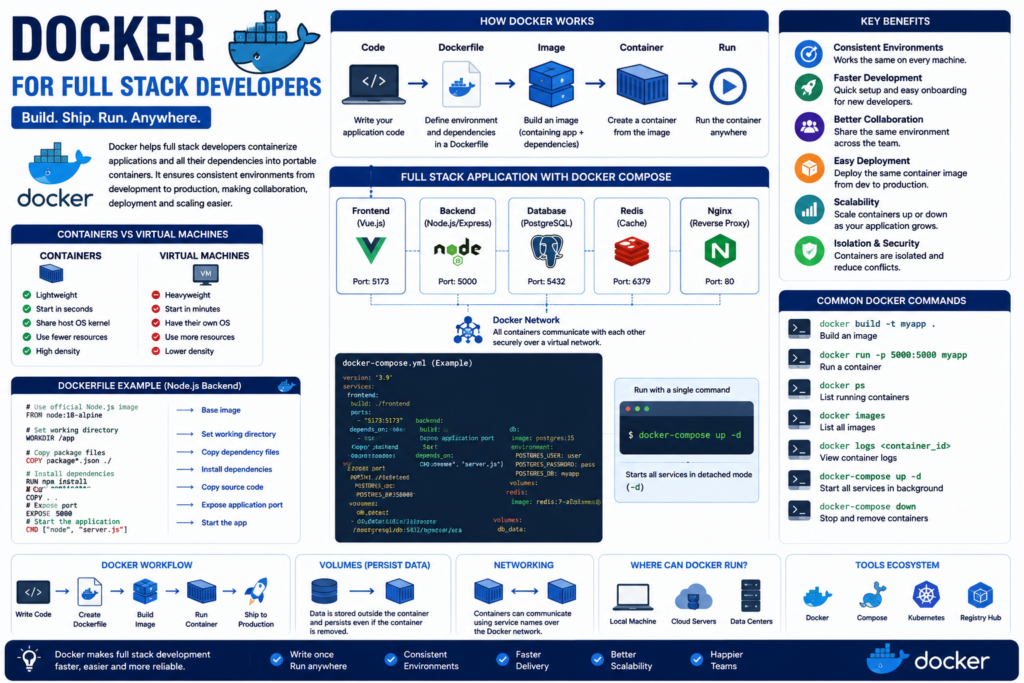
Modern full stack applications often depend on multiple technologies working together, such as frontend frameworks, backend servers, databases, APIs, and supporting services. Setting up all these technologies consistently across different development environments can be challenging. A project that works perfectly on one developer’s computer may fail on another machine because of differences in operating systems, […]
Humanoid Robots in 2026: Are We Finally Entering the Age of Physical AI?

Introduction Artificial intelligence has spent the last few years learning how to read, write, see, reason, and generate content. The next major step is giving AI a physical body. That is where humanoid robots come in. In 2026, humanoid robotics is moving rapidly from science-fiction demonstrations toward real-world testing in factories, warehouses, logistics, healthcare environments, […]
Internal Architecture of Pega Infinity 26
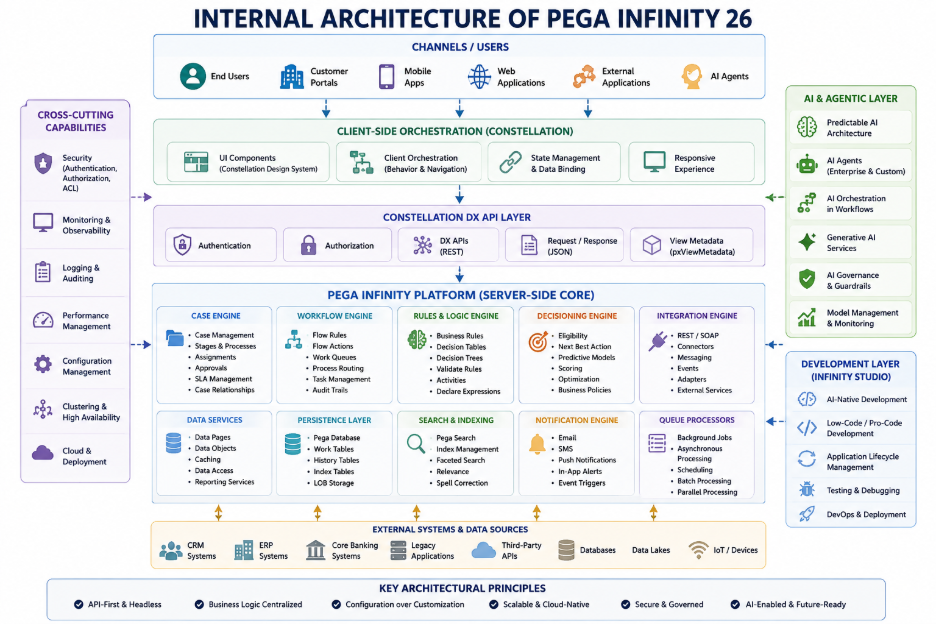
Introduction Pega Infinity 26 represents a major evolution of the Pega Platform, combining its established case-management, workflow, decisioning, and data capabilities with an increasingly AI-native architecture. Pega announced general availability of Infinity 26 in July 2026, highlighting governed agentic AI, predictable AI execution and costs, and an AI-native development experience as major areas of the […]
The Complete Lifecycle of a Full Stack Feature: From Requirement to Release
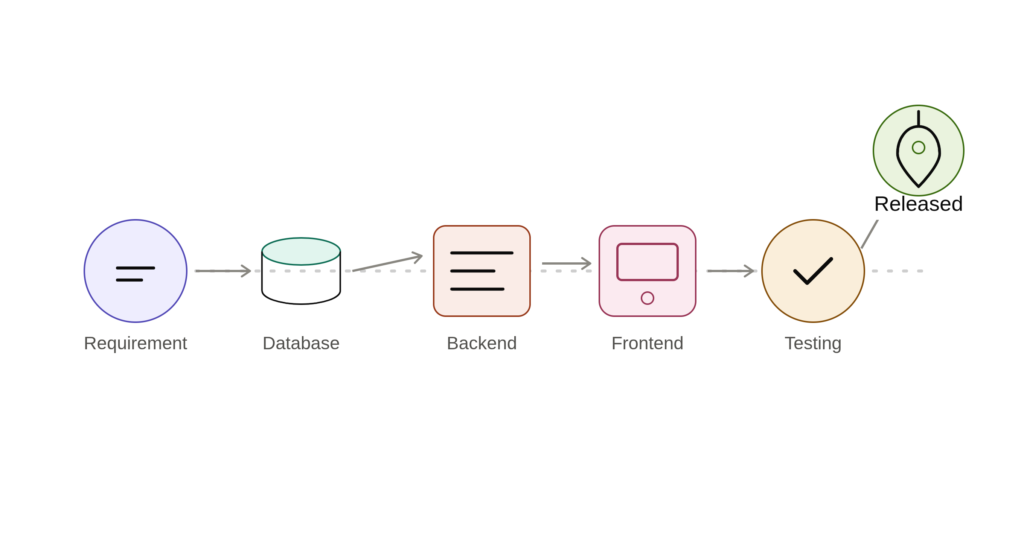
Introduction A software feature may appear simple from a user’s perspective. It could be a new button, a form, a dashboard, an approval workflow, or a new search option. However, behind that single feature is a complete engineering process involving requirements, architecture, database design, backend APIs, frontend development, testing, deployment, and monitoring. As a Full […]
Pega Application Deployment: Rulesets, Branches, and Versions
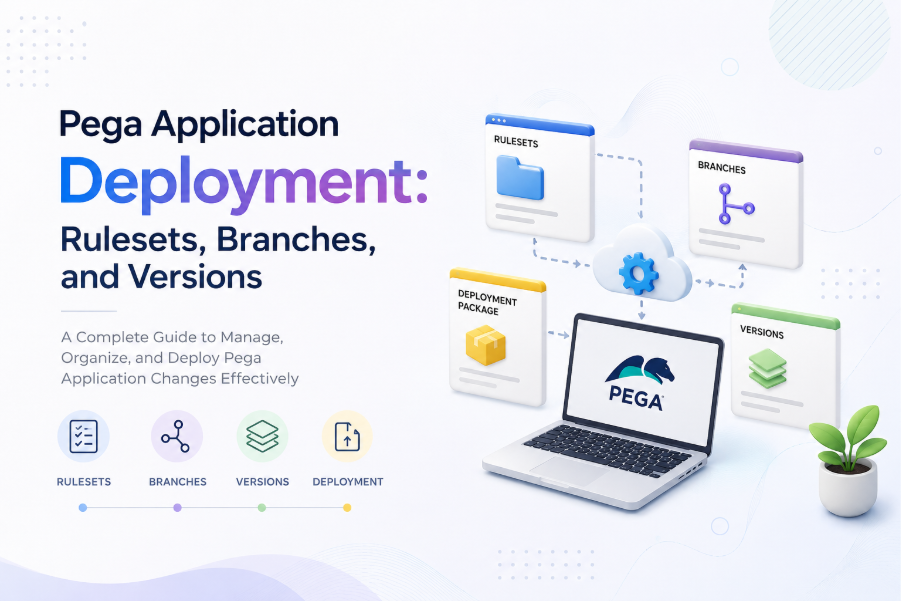
Introduction Application deployment is an important part of Pega development. Developers create and test application changes in a development environment, and these changes are eventually moved to higher environments such as QA, UAT, and Production. To manage application changes effectively, Pega provides concepts such as Rulesets, Ruleset Versions, Branches, and Deployment Packages. Understanding these concepts […]
Secure File Uploads in Backend Development

Uploading files is a common requirement in many web applications — from user profile pictures to document management systems. However, file uploads are one of the most common attack vectors if not handled properly. A single insecure upload can allow an attacker to run malicious code, access sensitive data, or crash your server. This article […]
