
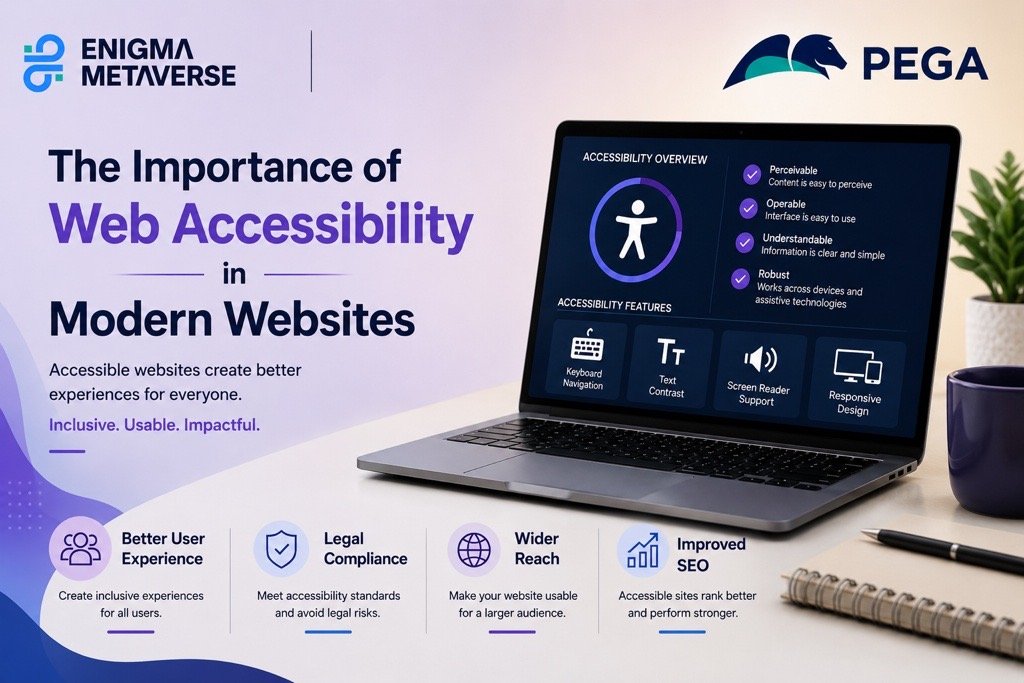
In today’s digital world, websites have become an essential part of communication, education, business, healthcare, and entertainment. People rely on websites to access information, complete transactions, learn new skills, and connect with others. As web usage continues to grow, ensuring that websites are accessible to everyone has become increasingly important. This is where web accessibility plays a critical role.
Web accessibility refers to the practice of designing and developing websites that can be used effectively by all individuals, including people with disabilities. These disabilities may include visual impairments, hearing impairments, motor disabilities, cognitive limitations, or temporary conditions that affect how users interact with digital content.
Many organizations initially view accessibility as a legal requirement or an additional development task. However, experienced designers and developers recognize that accessibility is a fundamental part of creating high-quality websites that provide a better experience for all users.
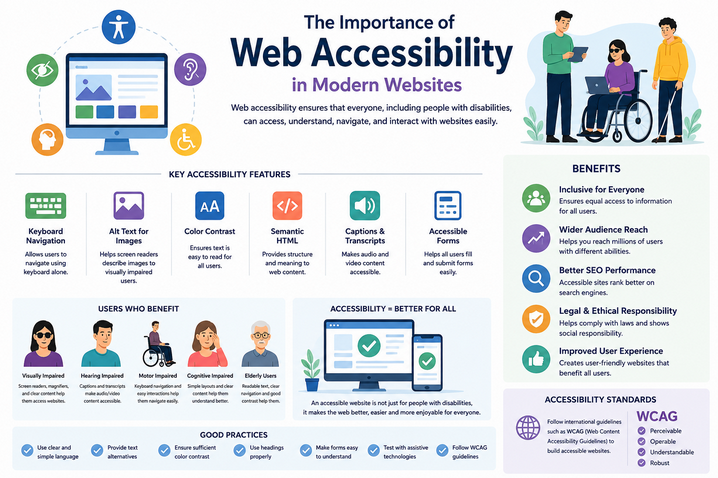
Understanding Web Accessibility
Web accessibility focuses on removing barriers that prevent users from accessing information and functionality on a website. This involves designing interfaces that work with assistive technologies such as screen readers, keyboard navigation systems, voice recognition software, and other accessibility tools.
Accessible websites ensure that users can navigate content, understand information, and complete tasks regardless of their physical or cognitive abilities. The goal is to create an inclusive digital environment where everyone has equal access to online resources and services.
Better User Experience for Everyone
One of the biggest benefits of web accessibility is the improvement of overall user experience. While accessibility features are designed to assist people with disabilities, they often benefit all users.
For example, clear navigation menus make websites easier to browse, proper heading structures improve content readability, and descriptive links help users understand where they are going before clicking. Features such as responsive design, readable fonts, and logical page layouts contribute to a smoother experience for everyone.
By focusing on accessibility, developers naturally create websites that are easier to use and understand.
Expanding Audience Reach
Millions of people around the world live with some form of disability. If a website is not accessible, organizations may unintentionally exclude a significant portion of potential users, customers, or clients.
Accessible websites allow businesses, educational institutions, and service providers to reach a wider audience. By removing barriers to access, organizations can ensure that more people can interact with their content, products, and services.
This broader reach can lead to increased engagement, customer satisfaction, and business opportunities.
Improved Search Engine Optimization
Web accessibility and search engine optimization often go hand in hand. Many accessibility best practices align closely with SEO recommendations.
For example:
- Proper heading structures
- Alternative text for images
- Descriptive page titles
- Semantic HTML elements
- Clear content organization
These practices help search engines better understand website content while also making websites more accessible to users. As a result, accessible websites often perform better in search engine rankings.
Enhanced Compatibility Across Devices
Modern users access websites through various devices, including desktops, laptops, tablets, smartphones, and assistive technologies.
Accessibility encourages developers to build websites that function consistently across different platforms and devices. Features such as responsive layouts, scalable text, and keyboard accessibility improve compatibility and ensure a seamless experience regardless of how users access the website.
This flexibility has become increasingly important in today’s mobile-first environment.
Supporting Legal and Ethical Responsibilities
Many countries have established accessibility standards and regulations that organizations must follow. Failure to meet these requirements can lead to legal challenges, penalties, and reputational damage.
Beyond legal compliance, accessibility demonstrates a commitment to inclusion and social responsibility. Organizations that prioritize accessibility show that they value diversity and are dedicated to providing equal opportunities for all users.
This commitment can strengthen brand reputation and build trust among customers and stakeholders.
Easier Maintenance and Future Growth
Accessible websites are often built using clean code, semantic HTML, and well-structured content. These practices make websites easier to maintain, update, and scale over time.
When developers follow accessibility guidelines, they create systems that are more organized and adaptable to future requirements. This can reduce technical debt and simplify ongoing development efforts.
As websites grow and evolve, maintaining accessibility becomes an investment that continues to provide long-term benefits.
Challenges of Implementing Accessibility
Despite its advantages, implementing accessibility can present challenges. Some organizations may lack awareness of accessibility requirements, while others may underestimate the effort involved.
Common challenges include:
- Understanding accessibility standards and guidelines.
- Testing websites with assistive technologies.
- Updating existing websites to meet accessibility requirements.
- Allocating time and resources for accessibility improvements.
However, these challenges are often outweighed by the long-term benefits of creating inclusive and user-friendly digital experiences.
Conclusion
Web accessibility is no longer an optional feature in modern website development. It is a fundamental requirement that ensures all users can access and interact with digital content effectively. By focusing on accessibility, organizations create better user experiences, reach larger audiences, improve search engine visibility, and demonstrate social responsibility.
Although implementing accessibility may require additional effort and planning, the benefits extend far beyond compliance. Accessible websites are more usable, maintainable, and inclusive, making them an essential part of successful modern web development. As technology continues to evolve, accessibility will remain a key factor in building websites that truly serve everyone.
