
The Cost of Complexity: When Software Architecture Becomes a Liability

In software development, adding more technology can sometimes feel like progress. Developers introduce new services, frameworks, and tools to improve their applications. However, more complexity does not always mean better software architecture. A system can have an advanced design and still be difficult to understand, debug, and maintain. Even a small feature may require changes […]
Why Pagination Is More Complicated Than LIMIT 10
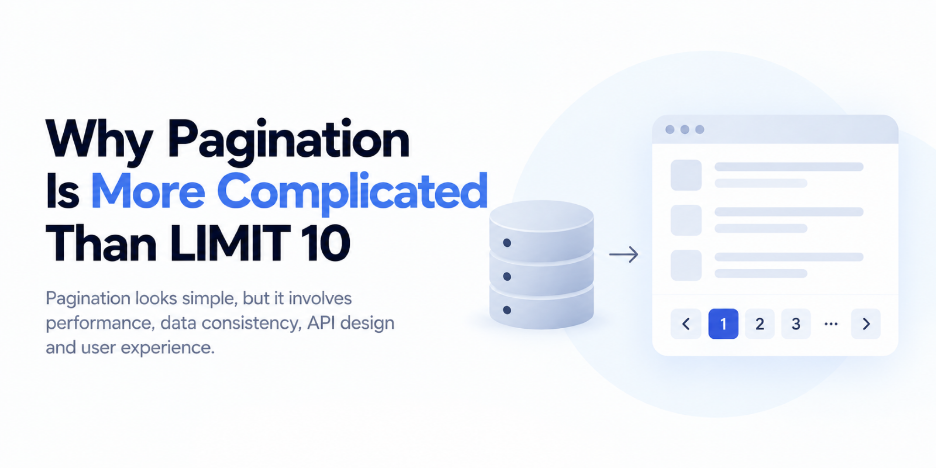
Pagination seems simple at first. Retrieve a limited number of records, display them on a page, and let users move forward or backward. But as an application grows, pagination becomes more than a database query. It affects performance, data consistency, API design, and the overall user experience. Understanding these challenges is essential when building applications […]
How Full Stack Applications Handle Thousands of Users
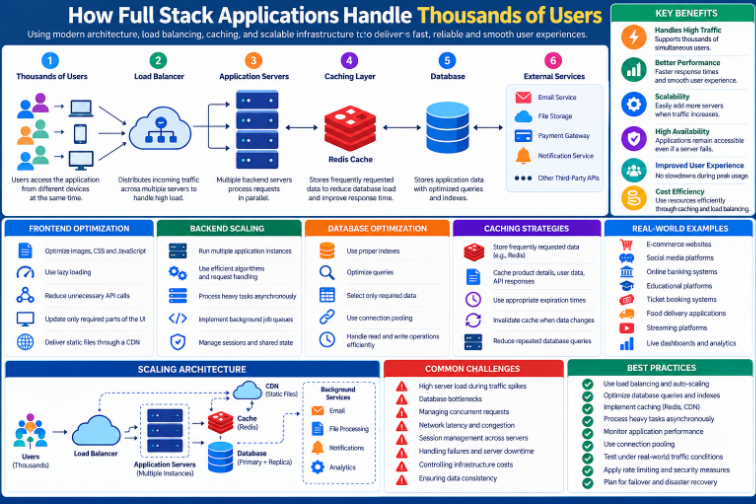
Modern web applications are expected to serve thousands or even millions of users without becoming slow or unavailable. E-commerce websites, social media platforms, online banking systems, educational portals, and booking applications must handle large numbers of users accessing information and performing actions at the same time. As the number of users increases, developers face challenges […]
The Double-Click Problem: Preventing Duplicate API Requests in Full-Stack Applications
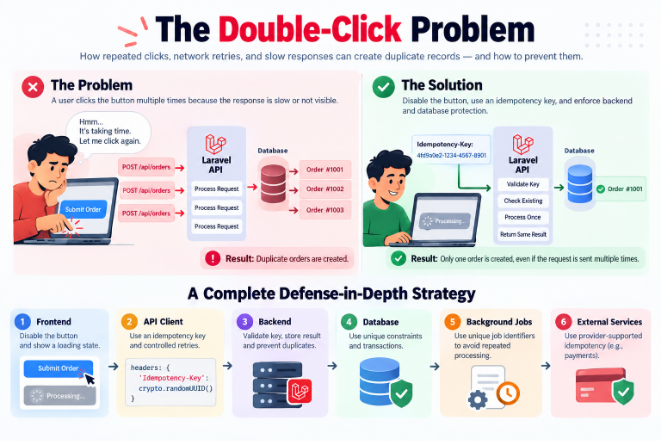
Introduction Have you ever clicked a Submit button, waited for a few seconds, and clicked it again because nothing seemed to happen? This is a common situation in web applications. When a request takes longer than expected, users may assume that the application has not responded and try again. However, the first request might still […]
Distributed Systems: Understanding the Complexity Behind Modern Applications
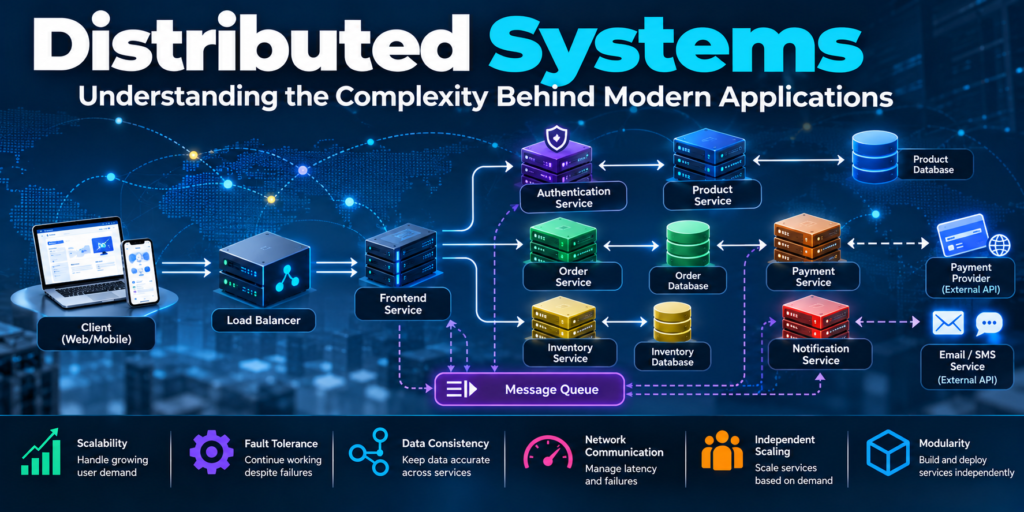
Introduction Modern applications rarely operate as isolated pieces of software. A single user action might involve a frontend application, multiple backend services, databases, authentication providers, message queues, and third-party APIs—all communicating across a network. From the user’s perspective, everything may appear to be one application. Behind the scenes, however, several independent components must coordinate to […]
Pega as an MCP Server: Connecting AI Assistants to Enterprise Workflows
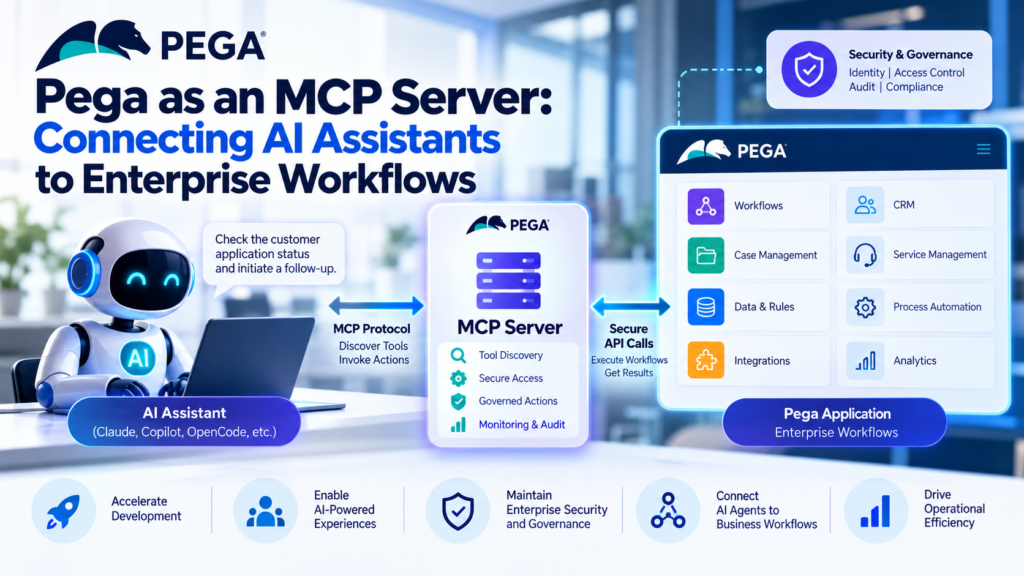
AI assistants are becoming more powerful. However, they need access to business applications and workflows to perform useful tasks. This is where the Pega MCP Server becomes important. It allows compatible AI assistants to connect with Pega applications through the Model Context Protocol (MCP). With Pega Infinity ’26, organizations can connect AI agents to application […]
Your Tests Pass, But Your App Is Still Broken: Why Contract Testing Matters in 2026
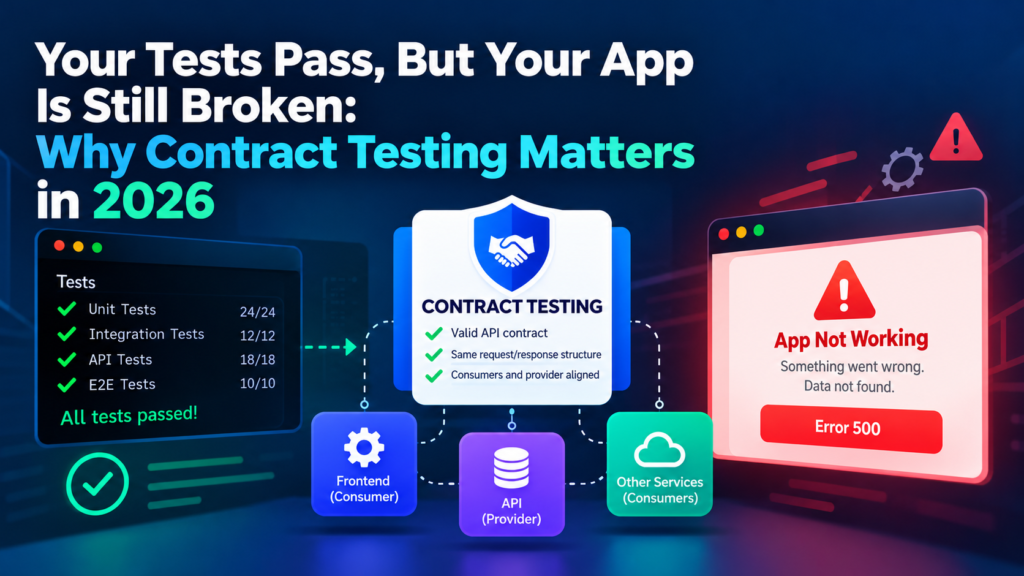
A frontend developer runs the tests. Everything passes. The backend developer runs the API tests. Those pass too. The CI pipeline is green, but the application crashes after deployment. Why? The backend has changed an API response, and the frontend can no longer find the data it expects. This is a common problem in full-stack […]
API Versioning: Managing Change Without Breaking Clients
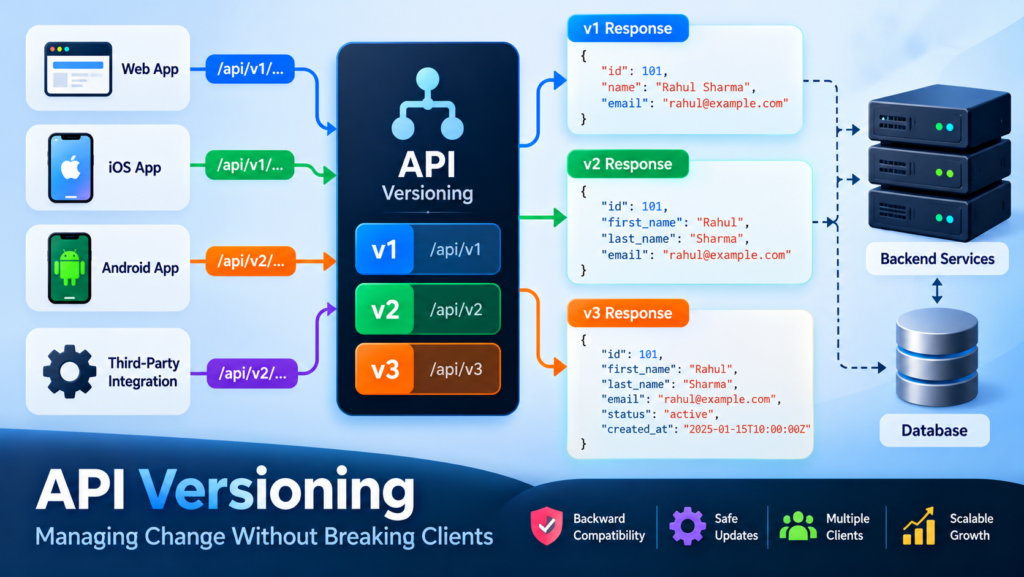
APIs play a critical role in modern application development. They allow frontend applications, mobile apps, backend services, and third-party platforms to communicate and exchange data. However, applications evolve over time. Developers introduce new features, modify response structures, improve security, and update business logic. These changes can create problems when existing clients depend on the API’s […]
How Do You Safely Process an Excel File With 1 Million Rows?
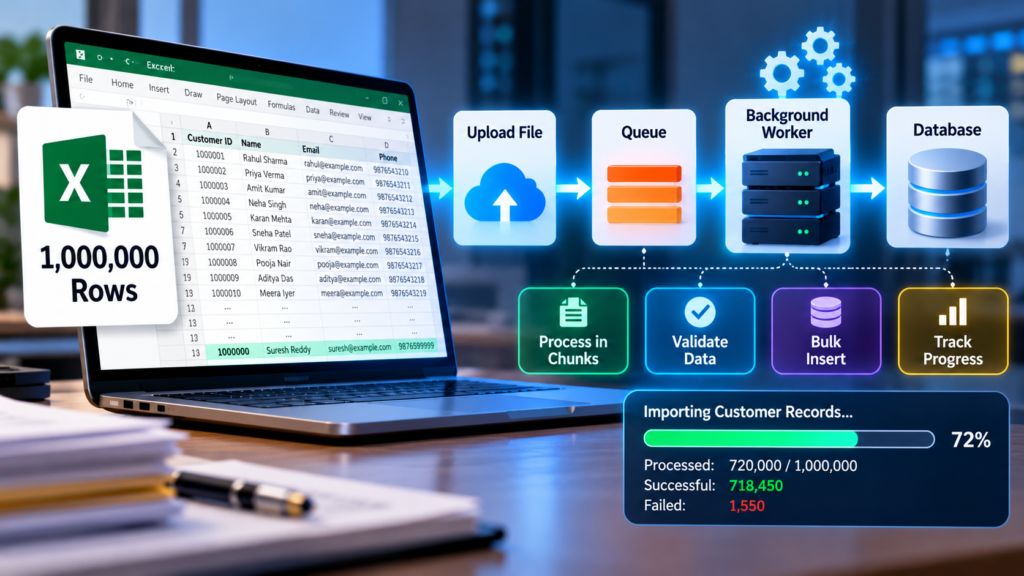
Uploading an Excel file is easy. However, processing 1 million Excel rows safely in production requires careful planning, efficient database operations, and reliable error handling. Imagine an administrator uploading an Excel file containing one million customer records. A simple implementation might read every row, validate the data, insert records into the database, and return a […]
Understanding Pega Node-Level Processing
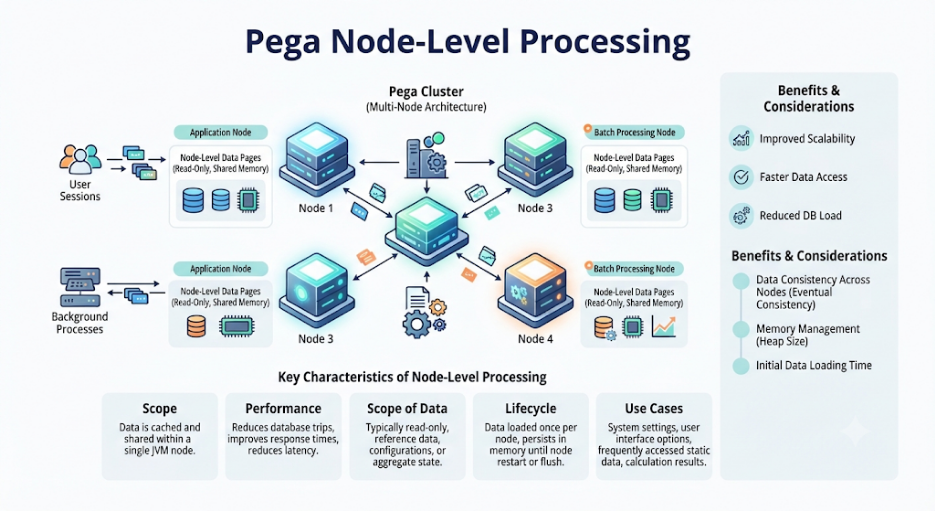
Pega applications are commonly deployed in distributed environments where multiple application server nodes work together to handle user requests, background jobs, integrations, and system processing. In such environments, understanding node-level processing in Pega is important for application architecture, performance troubleshooting, high availability, background processing, and production support. A Pega node is more than simply another […]
