
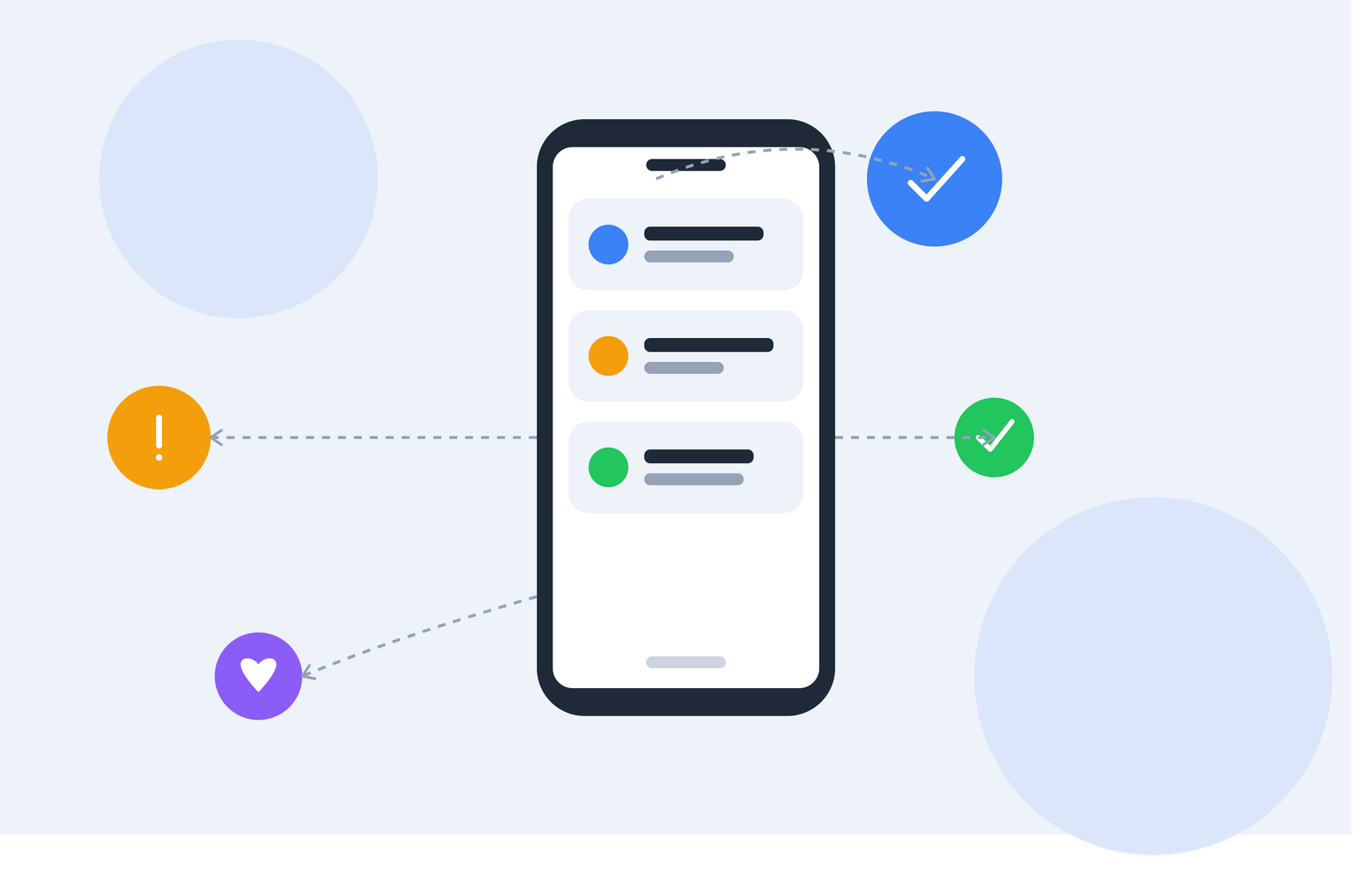
Push notifications have become an essential feature of modern web and mobile applications. They allow businesses to send real-time messages directly to users, keeping them informed about important updates, promotions, reminders, and events. When used effectively, push notifications improve user engagement, increase retention, and provide a better overall user experience.
What Are Push Notifications?
Push notifications are short messages sent from a server to a user’s device, even when the application is not actively open. They appear on the device’s notification panel or lock screen, allowing users to receive timely information without launching the app.
How Push Notifications Work
The push notification process typically involves the following steps:
- The user grants permission to receive notifications.
- The application registers the device with a notification service such as Firebase Cloud Messaging (FCM) or Apple Push Notification Service (APNs).
- A unique device token is generated and stored on the backend.
- When an event occurs, the backend sends a notification request to the notification service.
- The notification service delivers the message to the user’s device.
Benefits of Push Notifications
- Real-Time Communication: Instantly notify users about important events.
- Improved User Engagement: Encourage users to return to the application.
- Personalized Experience: Send messages based on user preferences or behavior.
- Higher Retention: Keep users informed with reminders and updates.
- Marketing Opportunities: Promote offers, discounts, and new product launches.
Best Practices
To ensure push notifications remain effective:
- Send notifications only when they provide value.
- Personalize messages whenever possible.
- Keep notification content short and clear.
- Avoid sending too many notifications, which may lead users to disable them.
- Schedule notifications at appropriate times based on user activity.
Common Use Cases
Push notifications are widely used across various industries, including:
- E-commerce order confirmations and delivery updates
- Banking transaction alerts
- Social media likes, comments, and messages
- Healthcare appointment reminders
- Educational assignment and exam notifications
- News and weather updates
Challenges
Despite their advantages, push notifications require careful implementation. Excessive or irrelevant notifications can annoy users and reduce engagement. Developers must also ensure secure handling of device tokens and comply with privacy regulations.
Conclusion
Push notifications are a powerful communication tool that helps applications deliver timely, relevant, and personalized information. By following best practices and focusing on user value, businesses can increase engagement, improve customer satisfaction, and build stronger relationships with their users.
