
Full-Stack Development: How Frontend and Backend Work Together
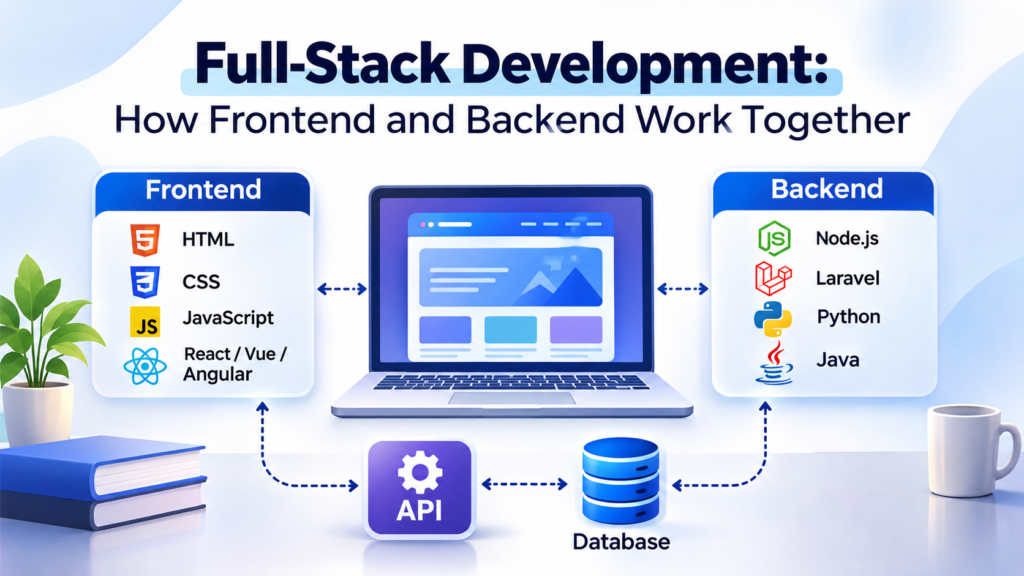
Introduction Full stack development plays an important role in building modern websites and applications. It combines frontend and backend technologies to create complete digital experiences. Today, people use websites to shop, learn, communicate, and make payments. However, many users do not know how these applications work behind the scenes. The frontend manages everything users see […]
Pega Without Direct Database Access: Designing Efficient Data Architectures Using Data Pages
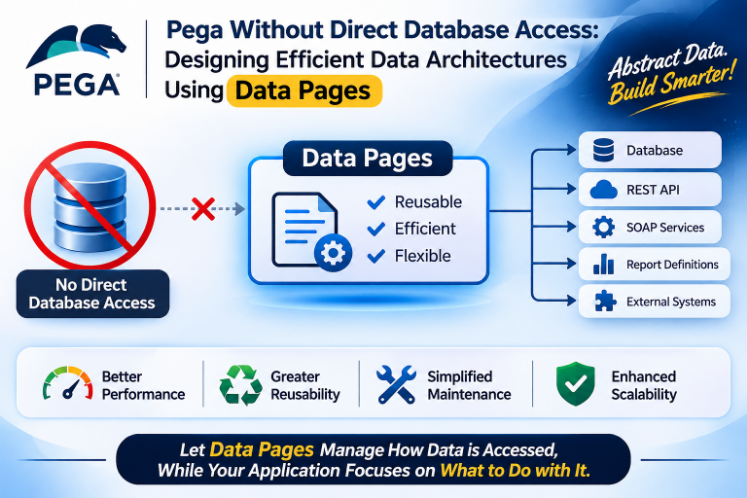
Introduction In enterprise application development, accessing and managing data efficiently is just as important as implementing business logic. Traditional application architectures often rely heavily on direct database interactions, which can create tight dependencies between business logic and database structures. But what happens when the underlying database changes? Or when an application needs to retrieve information […]
What Happens When Your Database Returns Old Data After an Update?
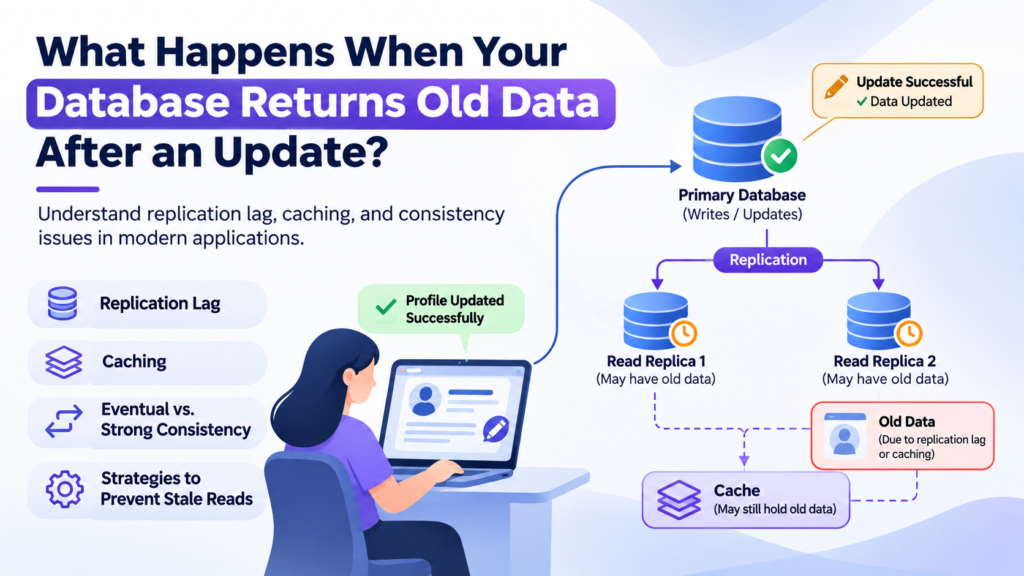
Imagine updating your profile, receiving a success message, and then refreshing the page only to see your previous information. The update succeeded, so why is the application displaying outdated data? This is a common challenge in modern application architecture. The cause may be database replication lag, caching, transaction timing, or inconsistent reads across different services. […]
API Design That Scales: Building Interfaces Developers Can Depend On
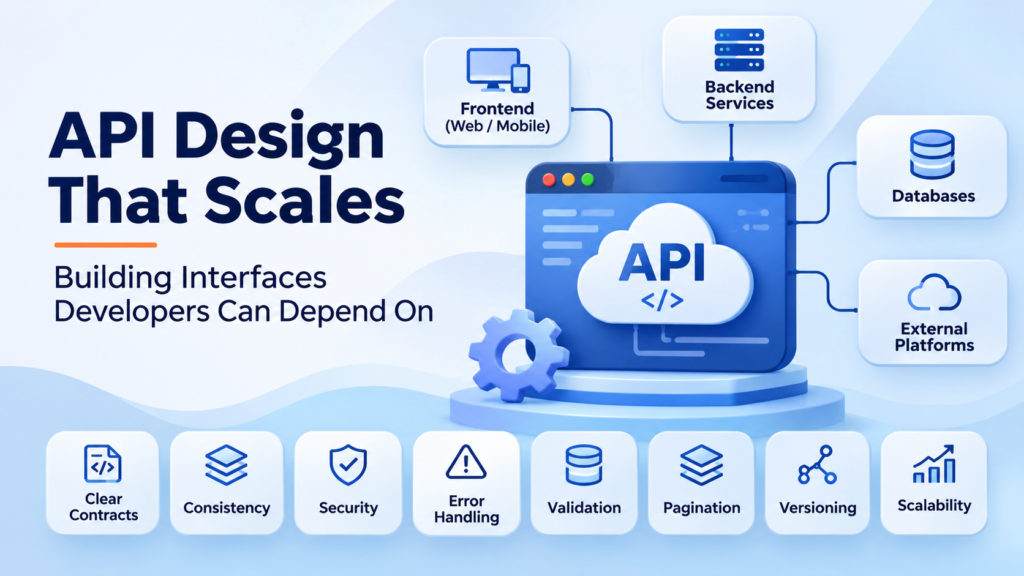
Modern applications rely on APIs to connect frontend interfaces, backend services, databases, mobile applications, and external platforms. But building an API that works today is only part of the challenge. A well-designed API must remain understandable, secure, maintainable, and reliable as an application grows. The real measure of good API design is not simply whether […]
Test Data Management: Best Practices for Reliable Software Testing
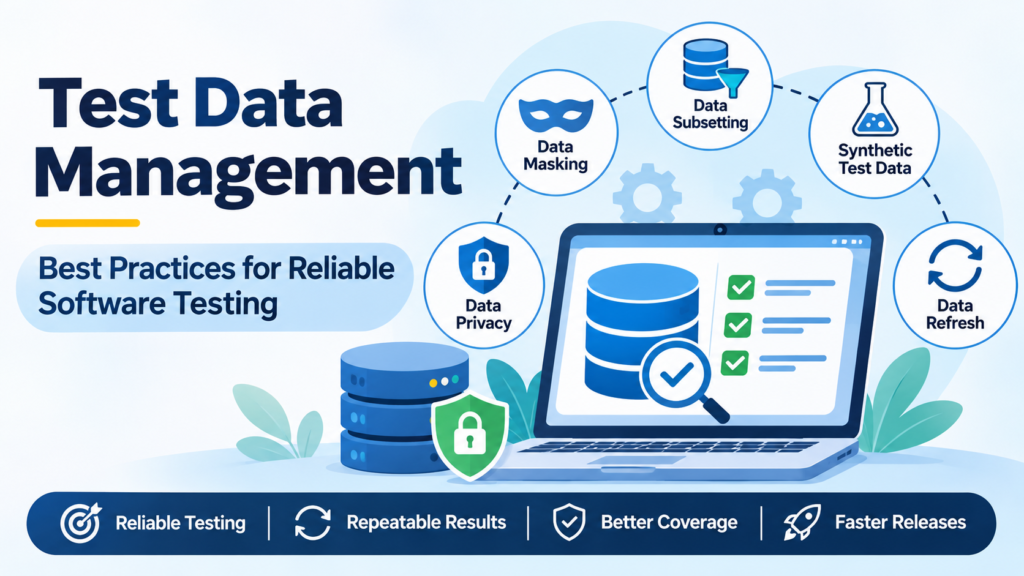
Every software tester has experienced this situation. A test passes on Monday but fails on Tuesday, even though nobody has changed the code. After spending hours investigating the issue, the team discovers that the problem is related to test data. Perhaps someone deleted a record, a customer account expired, or multiple test executions used the […]
Beyond the UI: Modernizing REST Integrations for Pega Constellation Architecture
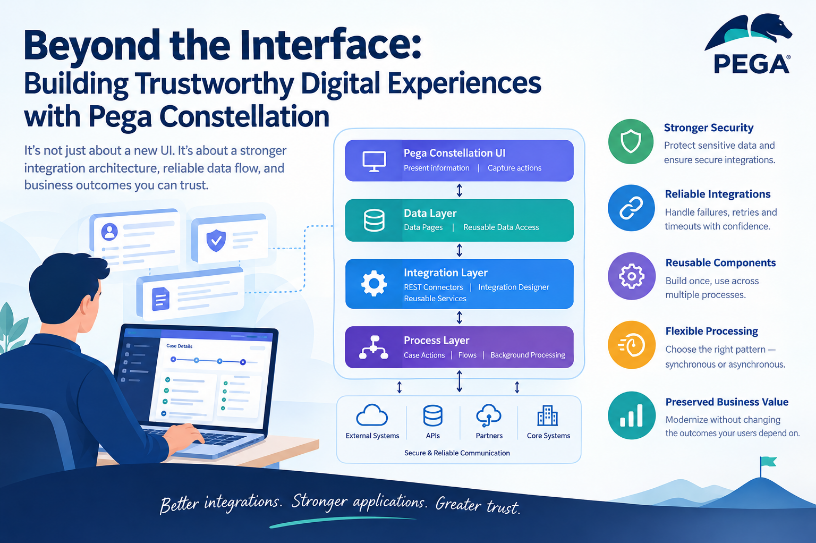
Introduction Modernizing an enterprise application is not just about changing its user interface. It is about rethinking how the application retrieves data, communicates with external systems, processes business events, and maintains reliable workflows. As organizations migrate from Traditional UI to Pega Constellation, one important area deserves special attention: REST integration architecture. Many established Pega applications […]
Pega Configuration Sets Explained: Control Application Behavior With Pega Configuration Sets out Code Changes
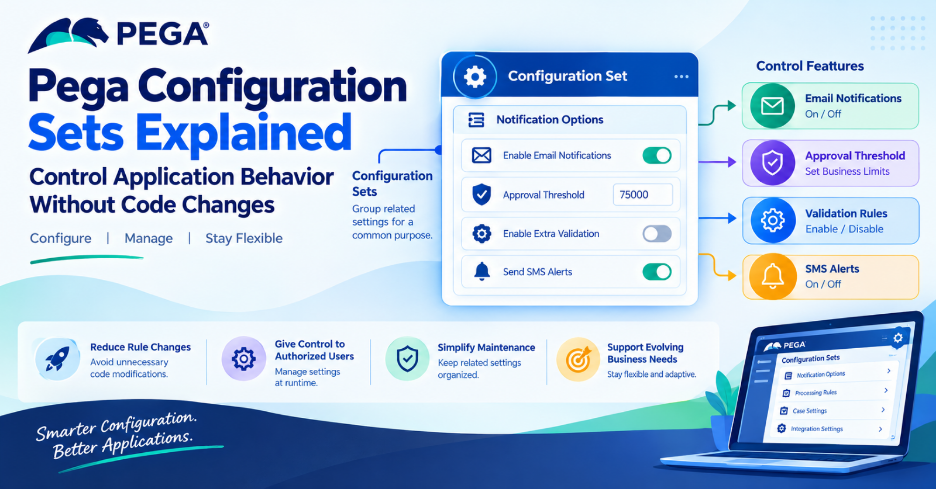
Introduction Imagine you are developing a Pega application that sends email notifications when a case reaches a particular stage. During development, the email integration is not ready. You need to disable notifications temporarily. Later, the business team wants to enable them without requiring another development change. How would you manage this requirement? One option is […]
Why Notifications Sometimes Arrive Twice — Designing Reliable Notification Systems
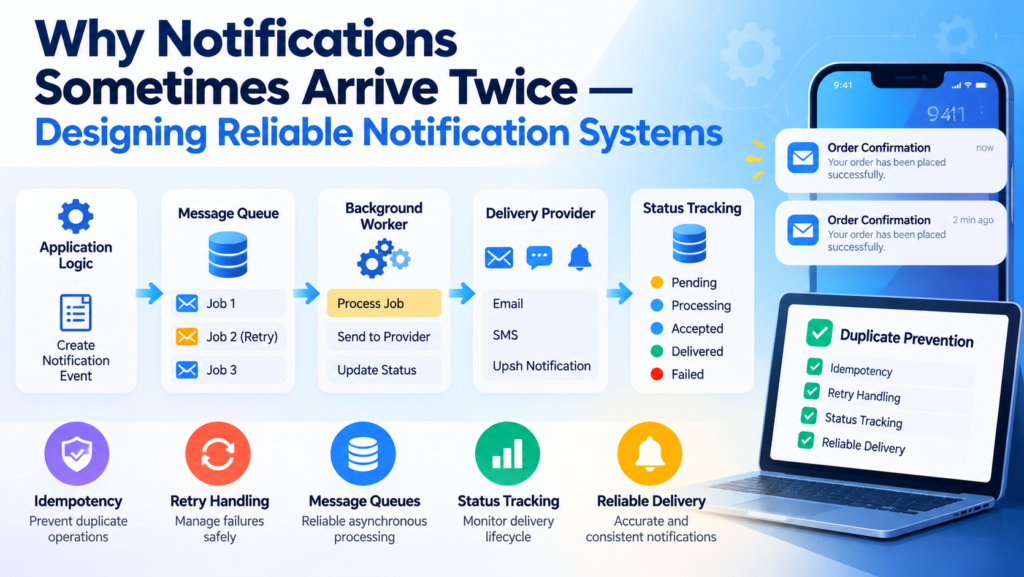
Introduction Notifications play an important role in modern applications. They keep users informed about account verification, password resets, payment confirmations, and order updates. However, users sometimes receive the same notification twice. Duplicate notifications may seem like a minor issue. Yet, they can reduce user trust, increase delivery costs, and create confusion. In some cases, they […]
The Race Condition Nobody Notices Until Production
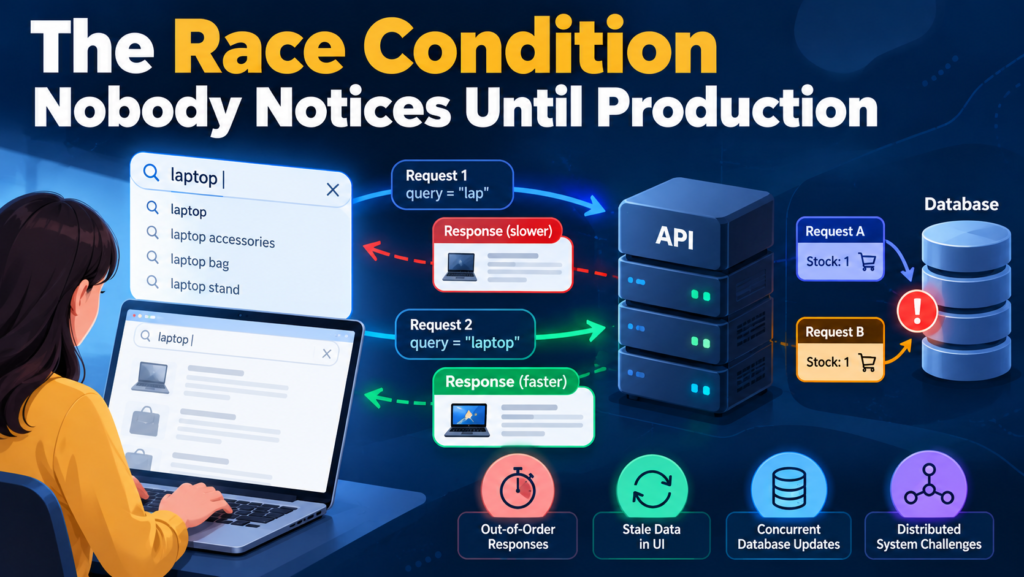
Imagine typing a search query into an application. Before the first API request completes, you continue typing, triggering another request. The second request returns first, displaying the correct results, but the earlier request later overwrites them with outdated information. This is a race condition. It occurs when an application’s behavior depends on the timing or […]
Exposed Properties vs BLOB Retrieval: The Real Trade-Off in Pega
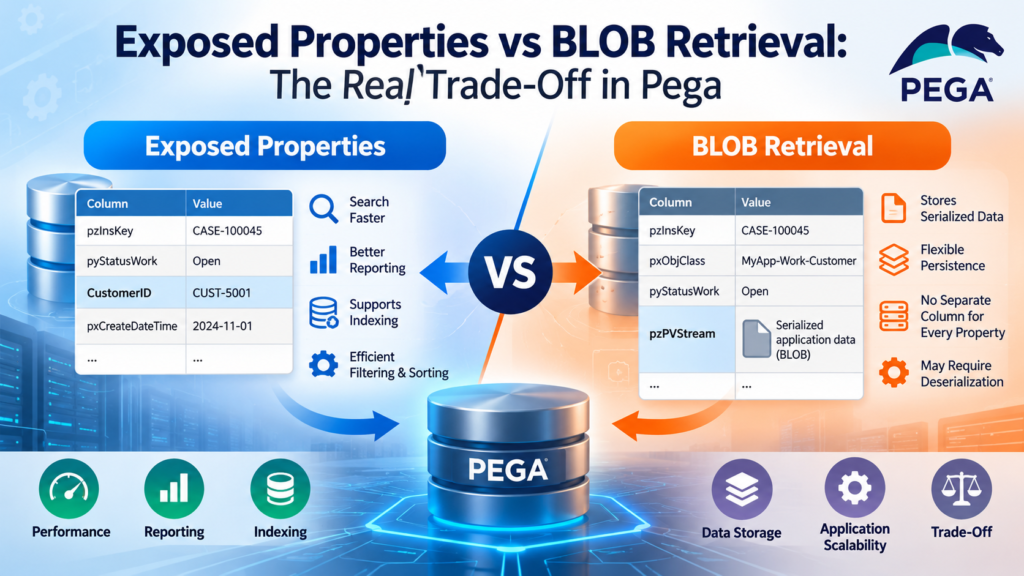
Introduction Database performance plays an important role in building scalable Pega applications. However, performance depends on more than the number of records stored. It also depends on how application data is stored, retrieved, filtered, and processed. One important architectural decision is choosing between exposed properties and BLOB-based property retrieval. Pega stores case and data-object information […]
