
Push Notifications in Full-Stack Applications: How They Work Behind the Scenes
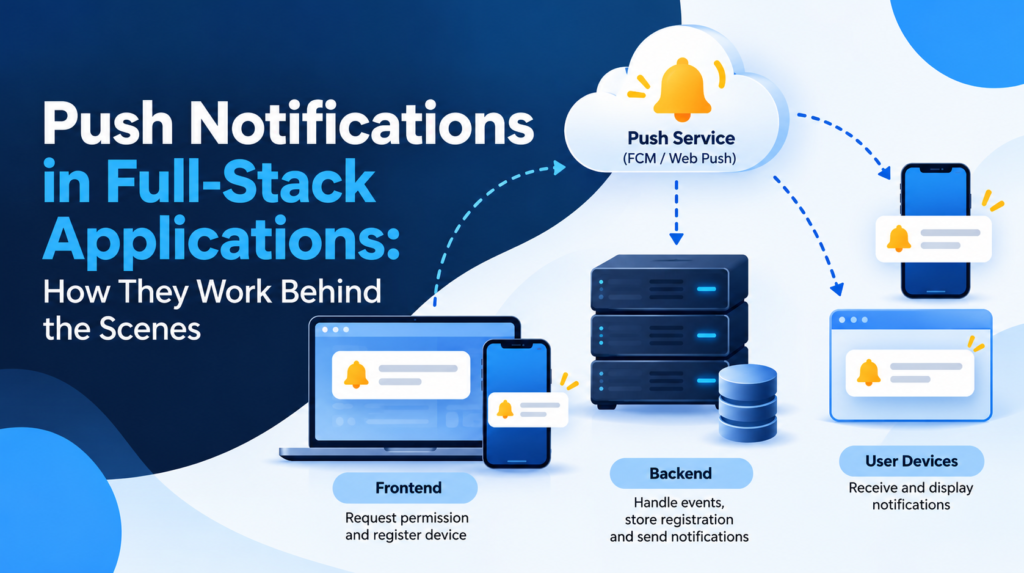
Introduction Push notifications allow applications to send timely updates to users even when they are not actively using the application. They are commonly used for chat messages, order updates, reminders, system alerts, and social media activity. Unlike traditional notifications that require users to open an application and check for updates, push notifications can deliver information […]
Designing Pega Applications for 100+ Million Records
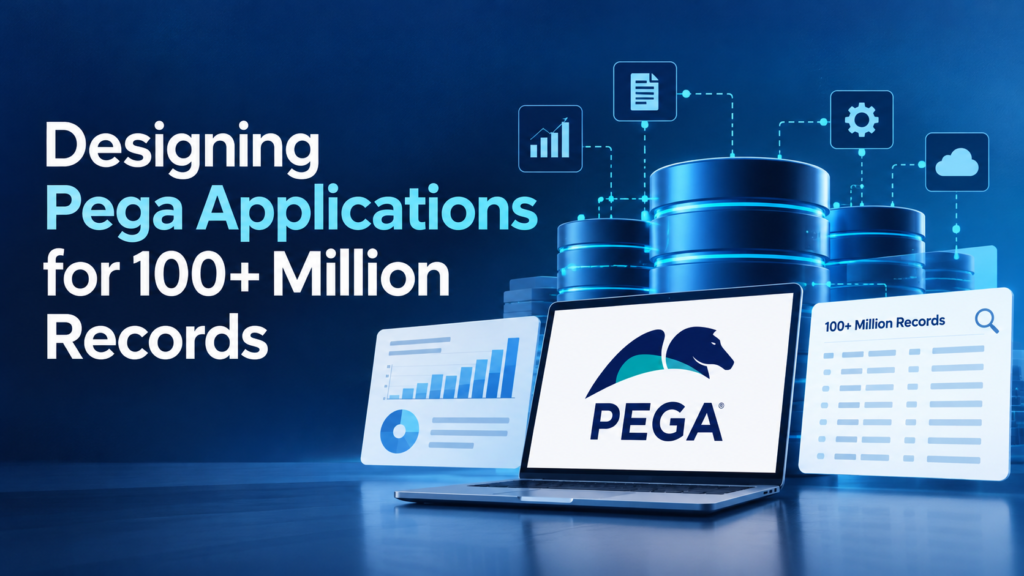
Introduction Enterprise applications frequently manage millions of customer profiles, transaction histories, case records, interaction logs, and operational events. As businesses grow, the volume of application data can exceed 100 million records, creating significant challenges for database performance, query execution, reporting, memory utilization, and application scalability. In Pega, managing this volume requires more than increasing database […]
Pega Constellation Data Relationships: Embedded, Reference, Case Reference & Query
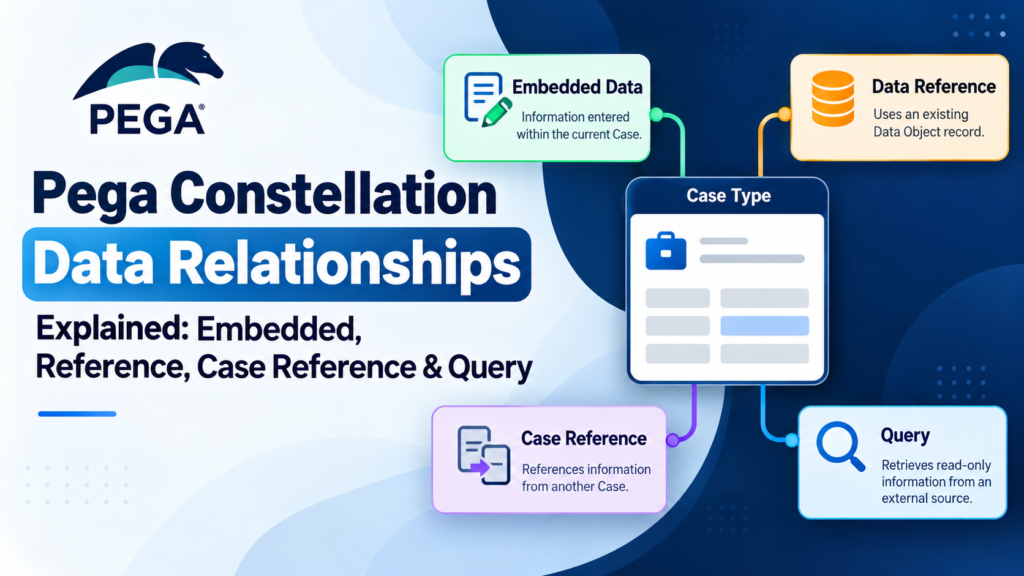
Introduction When building an application in Pega, adding fields to a form is usually the easy part. The real challenge is deciding where the data comes from and how the application should use it. Consider a customer service application. A service request might need customer details, an account, a service address, product information, and details […]
Performance Bottleneck Identification in QA: A Practical Guide
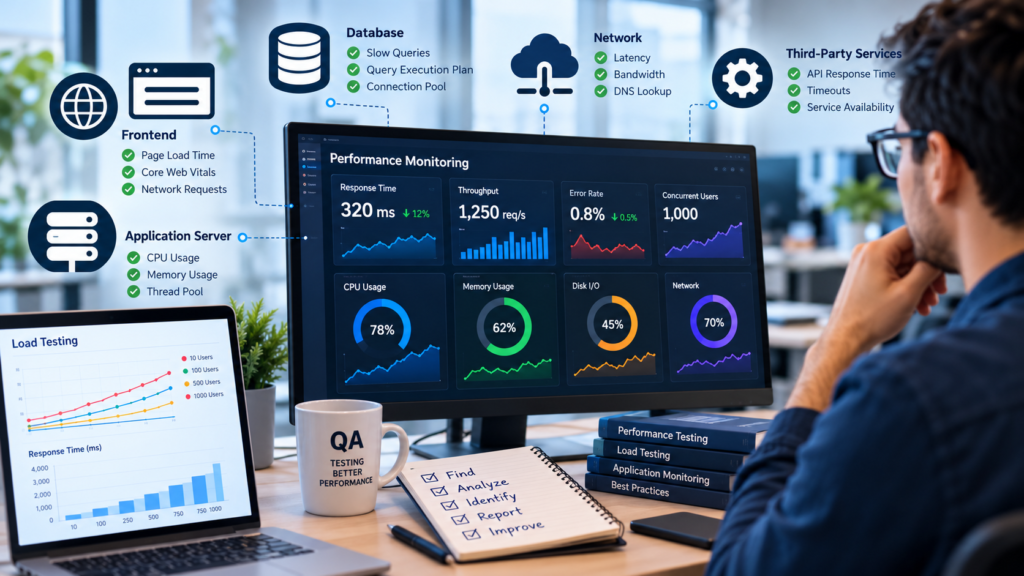
Introduction Have you ever seen a web application pass every functional test but still perform poorly after release? The checkout page loads slowly, users experience timeouts, and customer complaints start increasing. Although everything works correctly, the overall user experience suffers. This is where performance bottleneck identification in QA becomes essential. It helps quality assurance (QA) […]
Pega Infinity ‘26.1: Modernizing Data Pages and Integration Patterns
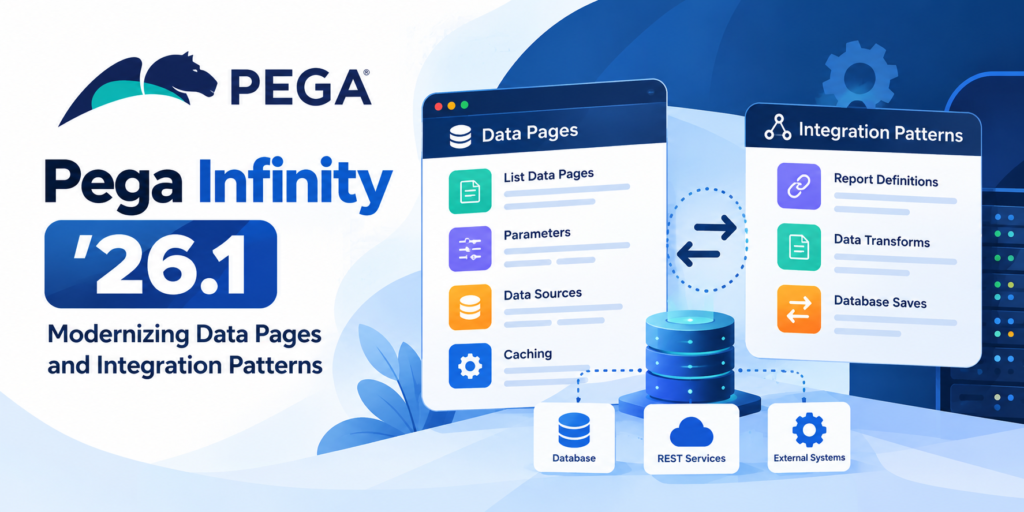
Introduction Pega Platform continues to evolve to help development teams build maintainable, scalable, and efficient business applications. With Pega Infinity ‘26.1, updates to data access and integration patterns provide developers with opportunities to simplify application configuration and improve maintainability. Data Pages are a fundamental component of Pega development. They provide a reusable way to retrieve […]
Implementing API Polling in Vue: Tracking Long-Running Processes
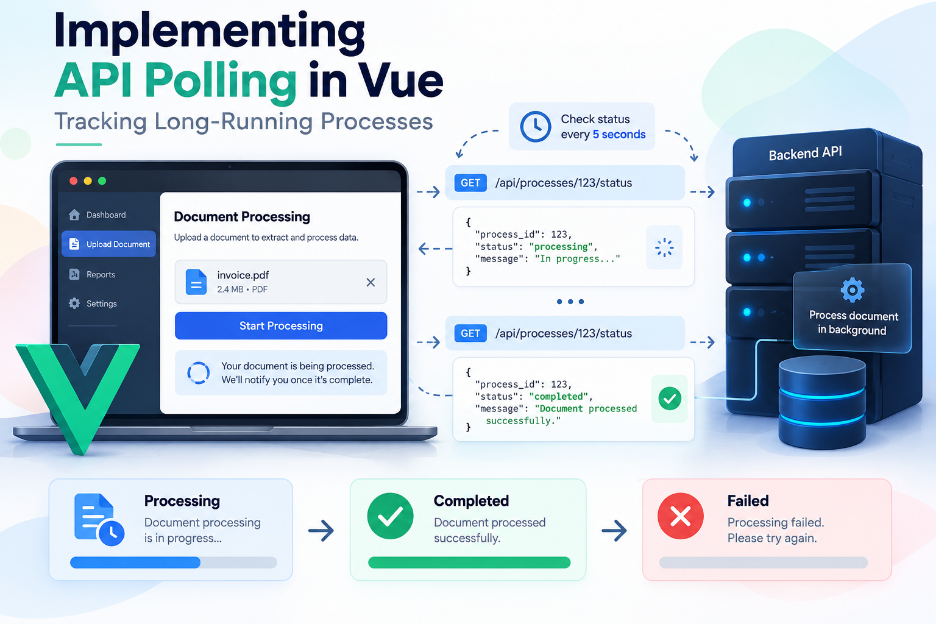
Modern web applications often perform operations that take time to complete, such as processing uploaded documents, generating reports, importing datasets, or exporting files. During these operations, users need to know whether the process is still running, has completed successfully, or has encountered an error. API polling provides a way to monitor these operations automatically without […]
Visual Regression Testing with Playwright: Catch UI Bugs Before They Reach Production
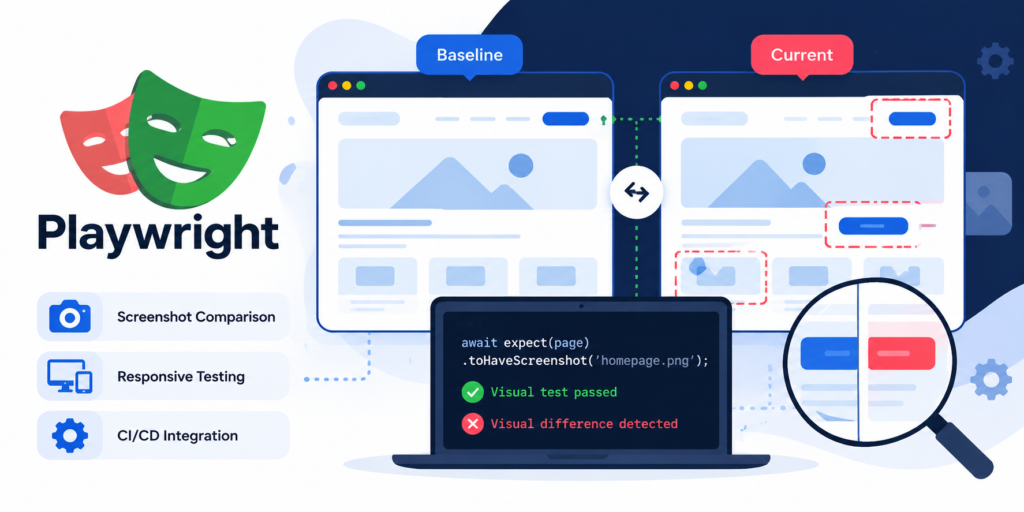
Imagine releasing a new version of your web application. All unit tests pass. Your API tests are green. Playwright successfully completes the login, navigation, and checkout workflows. But after deployment, users report that the navigation menu is overlapping the page content, buttons are misaligned, and the mobile layout is broken. What went wrong? Your tests […]
What Happens When Your Background Jobs Start Failing in Production?
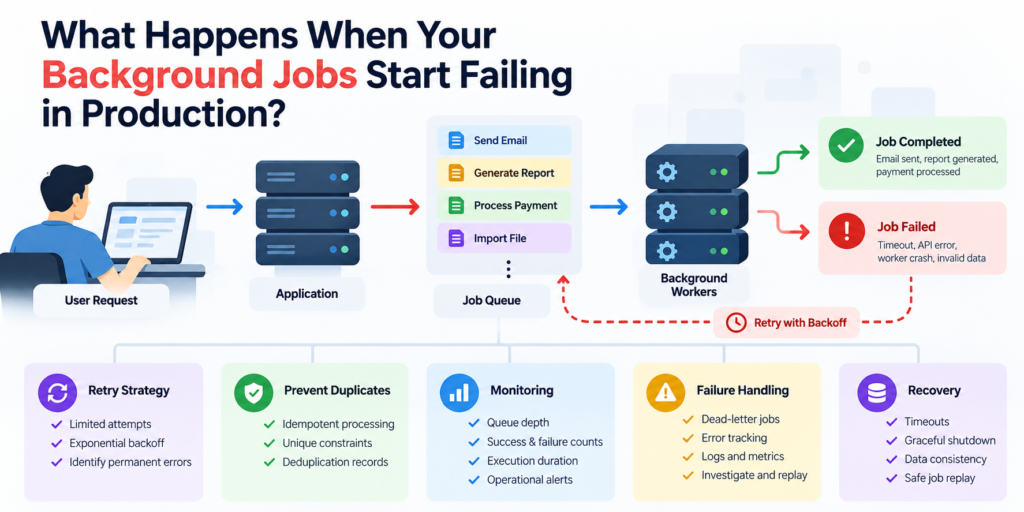
Modern applications do more than process user requests. They send emails, generate reports, import large files, process payments, and deliver notifications. Many of these operations take time and should not block the user from receiving a response. This is where background jobs and queue systems become essential. But what happens when these jobs fail in […]
How Generative AI Is Reshaping Software Testing
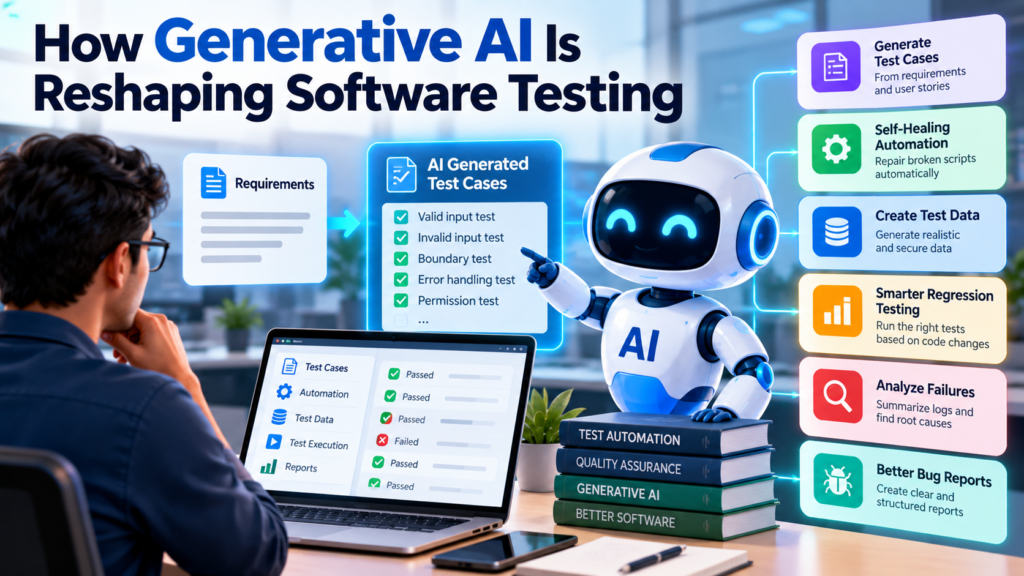
Software testing is changing as applications become more complex and development teams release updates more frequently. Testers often spend hours writing test cases, fixing automation scripts, preparing test data, and analyzing errors. Generative AI in software testing helps automate repetitive tasks, improve testing efficiency, and give QA teams more time to focus on software quality. […]
Beyond Case Management: Building Self-Aware and Self-Healing Cases in Pega
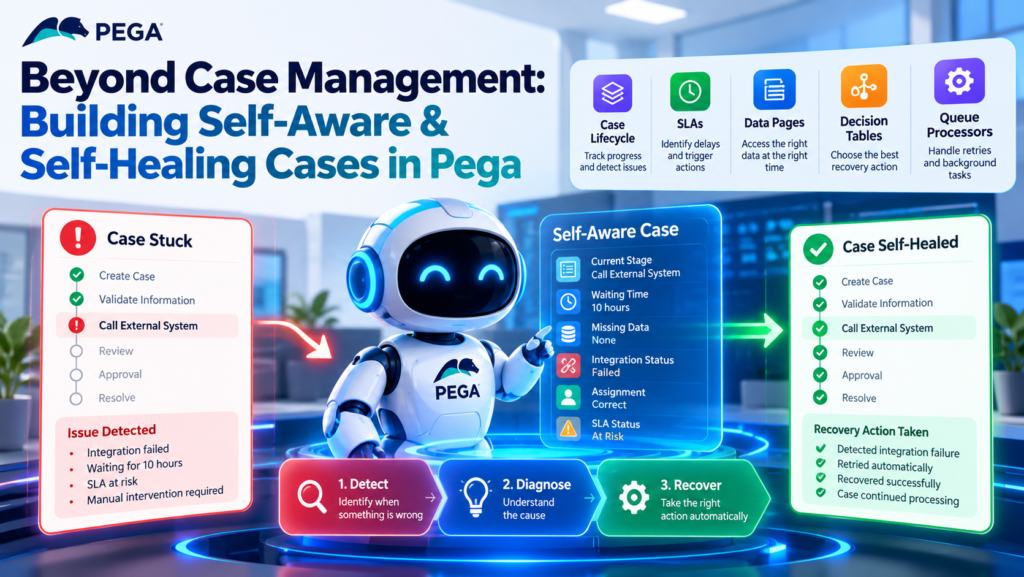
What if a Pega case could detect when it gets stuck, identify the cause, and take corrective action before a business user notices? Traditional case management moves work through a defined process: Create → Process → Approve → Resolve However, real-world business processes are rarely that simple. Cases can experience delays, missing information, integration failures, […]
