
GraphQL Integration Patterns for Enterprise Pega Applications
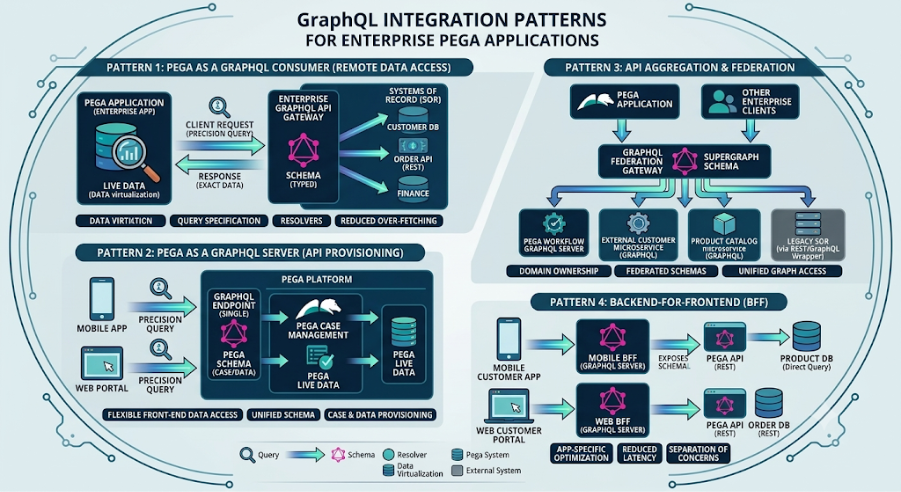
Introduction Enterprise applications are becoming increasingly data-driven, requiring information from multiple systems, services, and databases. Traditional REST-based integrations have served organizations well for years, but as application ecosystems grow more complex, challenges such as over-fetching, under-fetching, and excessive API calls become more apparent. GraphQL has emerged as a powerful alternative that allows clients to request exactly the data they […]
Selenium vs Playwright: Which Automation Tool Should You Choose?
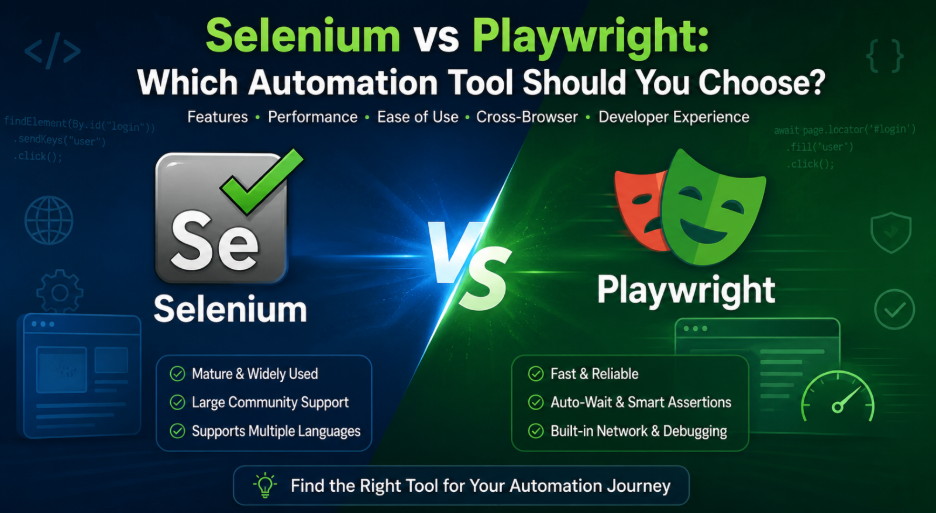
If you write test automation for a living, you have probably had this argument with a coworker at least once. Someone wants to rip out the old Selenium suite and start fresh with Playwright. Someone else says the Selenium suite works fine and a rewrite is a waste of two sprints. Both people have a point, and that is […]
Working with Clipboard Data in Pega Platform
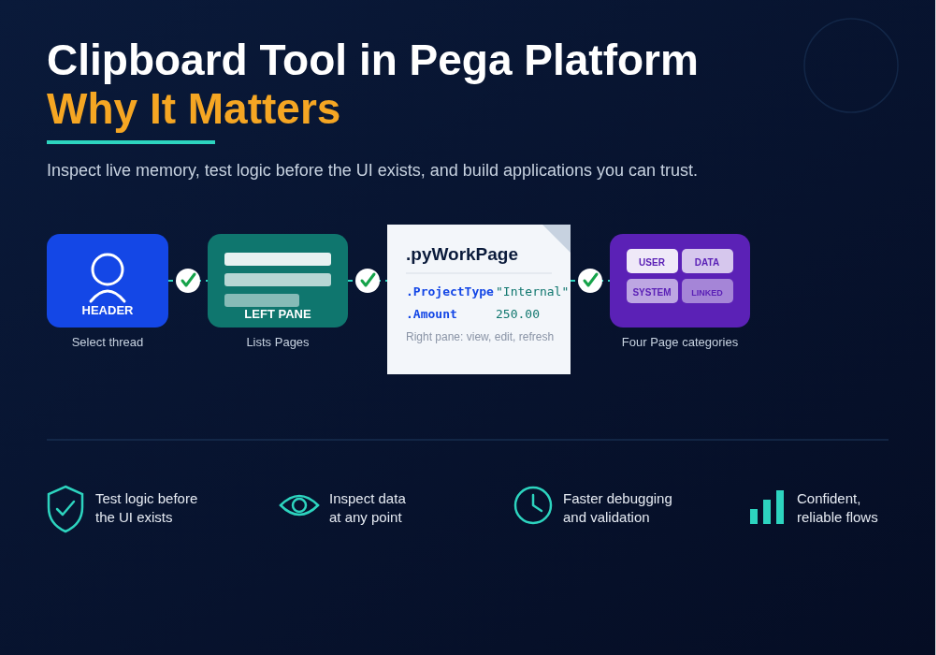
The Pega Platform™ Clipboard Tool allows developers to view and manage data currently stored in memory during application execution. It organizes and displays every active Clipboard Page, along with the properties defined on each page and their corresponding values. In addition to viewing runtime data, the Clipboard Tool enables developers to add or modify property values. This capability is particularly […]
Accelerating Full-Stack Applications with Effective Caching Strategies
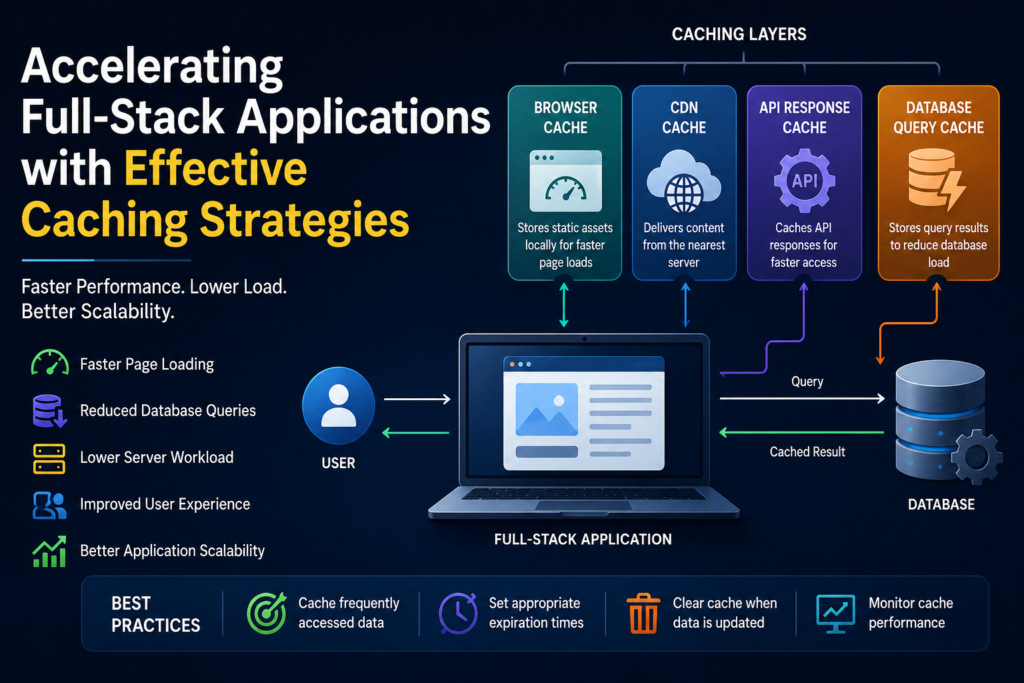
As web applications grow in complexity, delivering fast and responsive user experiences becomes increasingly important. One of the most effective ways to improve application performance is through caching. Instead of repeatedly fetching the same data from the database or external services, caching stores frequently accessed information temporarily, allowing applications to respond much faster. Implementing the right caching strategy […]
Managing Test Flakiness: A Practical Guide for Large QA Automation Suites
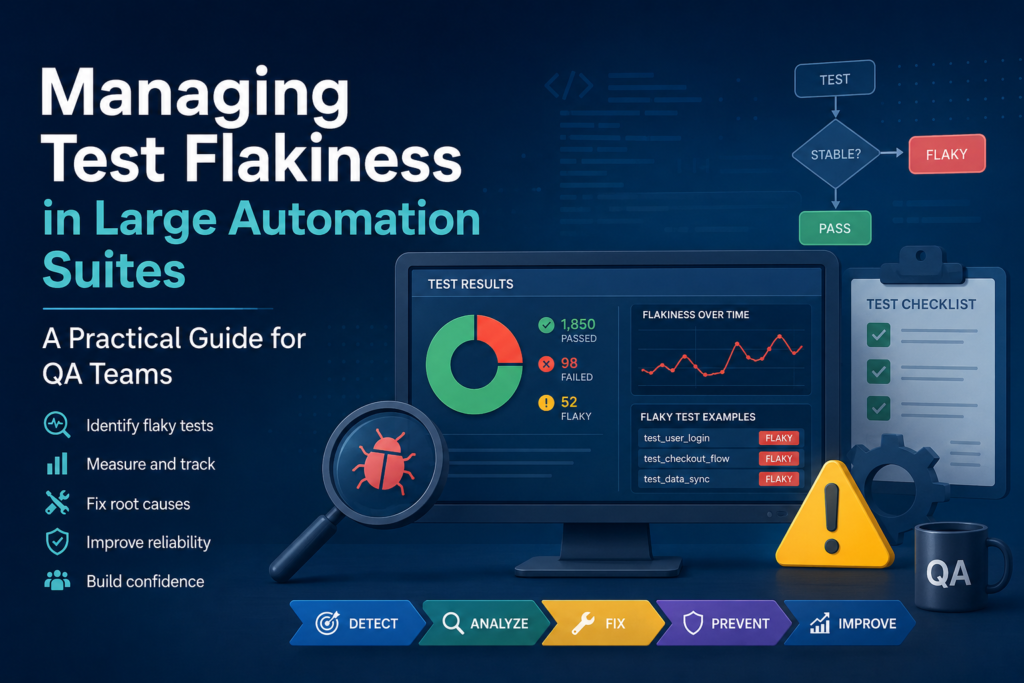
Introduction: The Silent Tax on Engineering Velocity Every QA engineer knows this moment. A test fails in CI. You re-run it. It passes. Nothing about the code changed. Nothing was actually fixed. That’s test flakiness, and in large automation suites it’s not just a minor annoyance. It’s a quiet tax on engineering velocity, developer trust, and release confidence. As suites grow from a few hundred tests to […]
What Is a Plugin API?
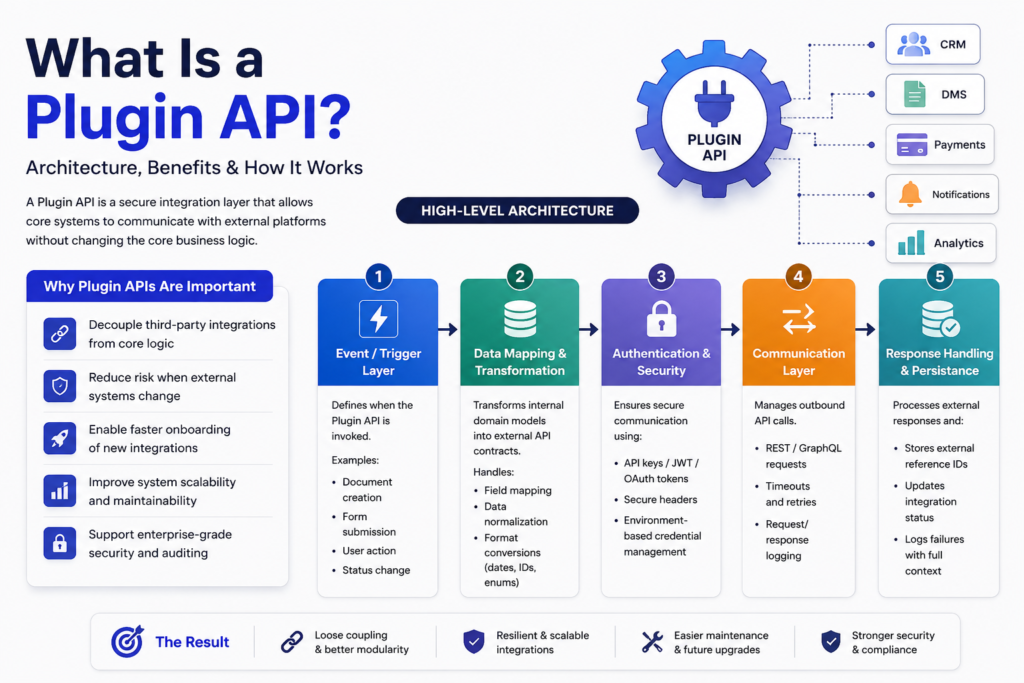
A Plugin API is a dedicated integration interface that enables a core application to securely and reliably communicate with external systems while maintaining strict separation of concerns. It is designed to extend system capabilities without requiring changes to the core business logic, ensuring long-term scalability, maintainability, and architectural consistency. Plugin APIs are commonly used in enterprise environments to […]
Artificial Intelligence: Transforming the Future
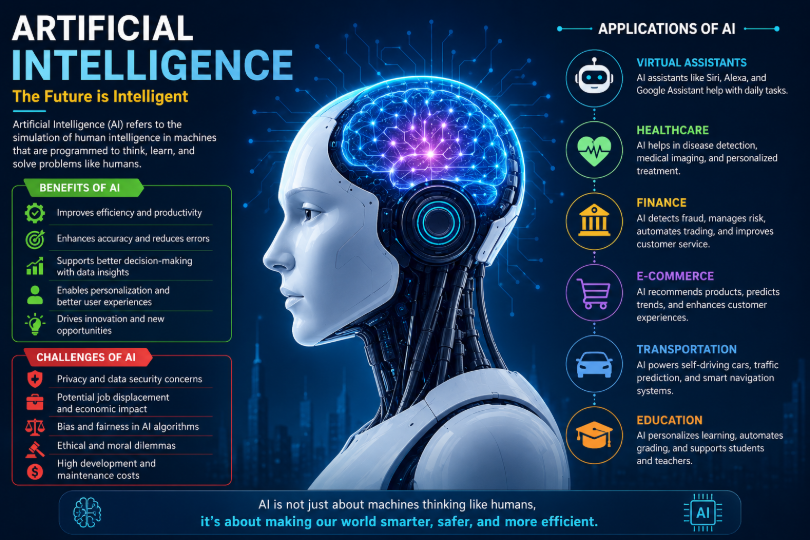
Introduction Artificial Intelligence (AI) is one of the most impactful technologies of the modern era. It enables computers and machines to perform tasks that typically require human intelligence, such as learning, problem-solving, decision-making, and understanding language. From virtual assistants to self-driving cars, AI is transforming the way we live and work. What is Artificial Intelligence? […]
Content Delivery Network (CDN) in Pega Constellation: A Complete Guide
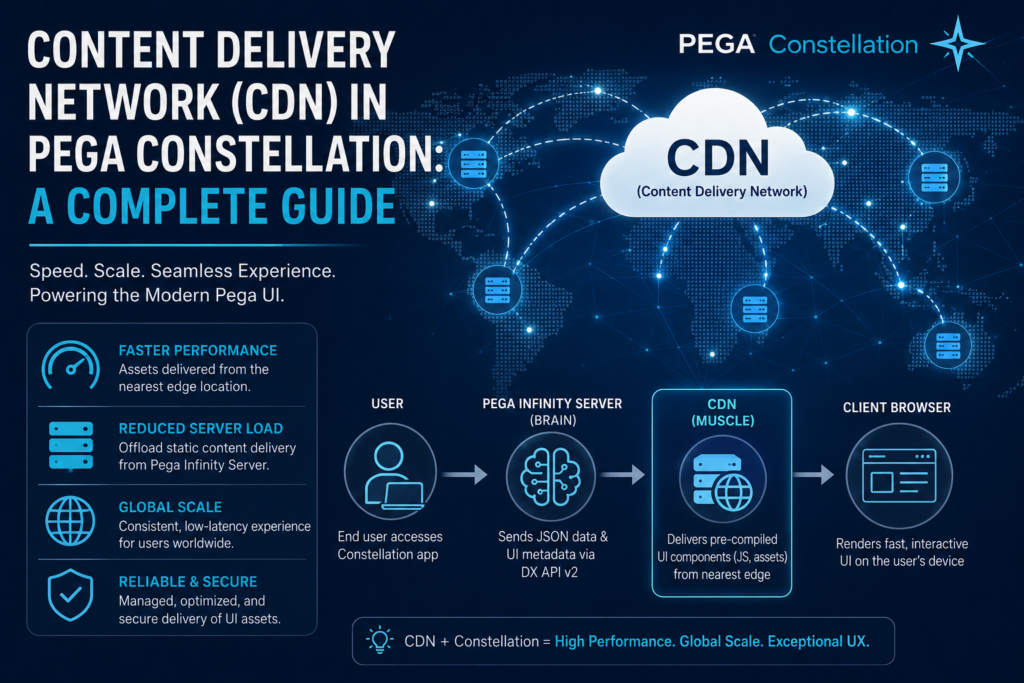
As organizations scale their enterprise applications, user experience and interface performance become non-negotiable. With the introduction of Pega Constellation—Pega’s modern, React-based UX architecture—the paradigm of UI rendering underwent a massive shift. Instead of the server generating heavy HTML markup, Constellation offloads the heavy lifting to the client’s browser. At the absolute center of this high-performance client-side orchestration is […]
Handling Large Data Sets Efficiently in Web Applications
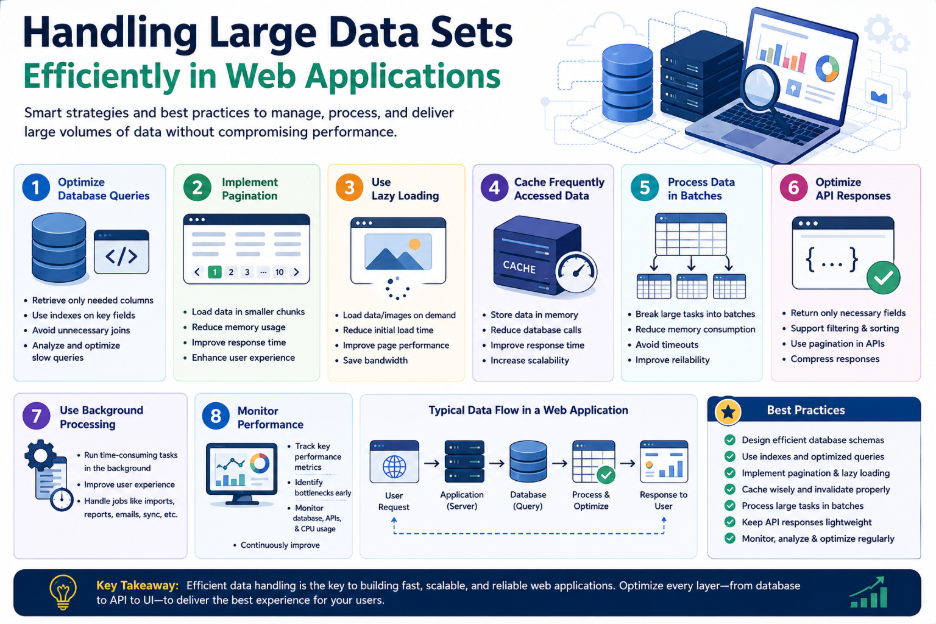
Introduction Modern web applications often manage thousands or even millions of records. As data grows, applications can become slower if they are not optimized properly. Efficient data handling improves performance, scalability, and user experience by ensuring that information is processed and displayed quickly. Why Efficient Data Handling Matters Managing large datasets effectively helps: Optimize Database Queries Database performance […]
Rate Limiting
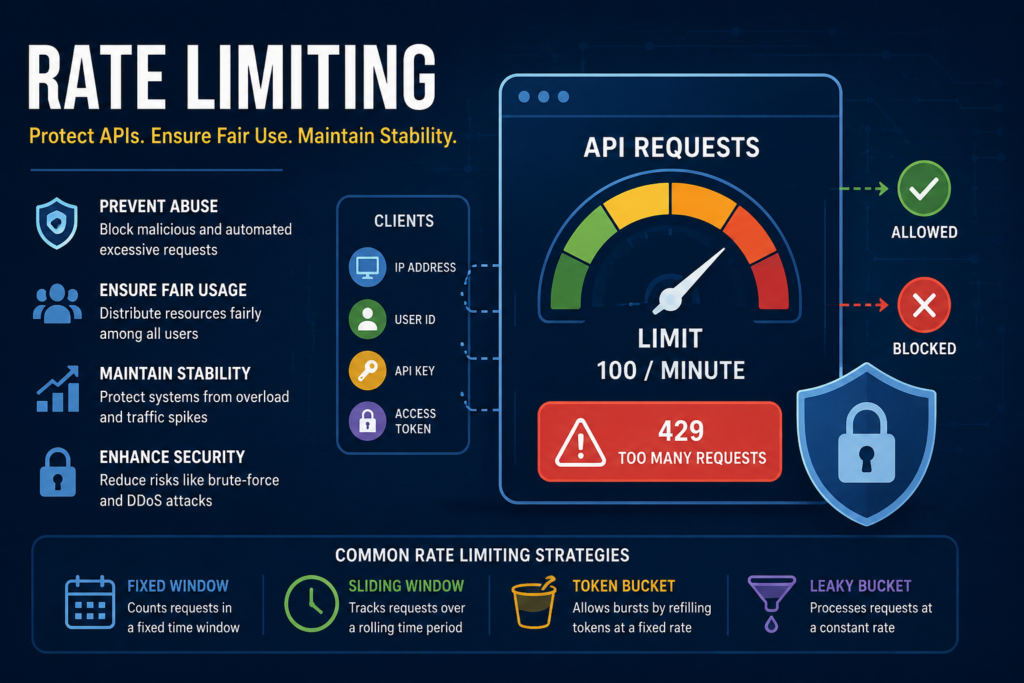
Rate limiting is a technique used to control the number of requests a client can make to an application or API within a specified time period. It is a fundamental mechanism for protecting systems from abuse, ensuring fair usage, and maintaining application stability under high traffic conditions. Why Rate Limiting Is Important Rate limiting plays a critical role in […]
