
What Happens Between Clicking a Button and Seeing the Result?
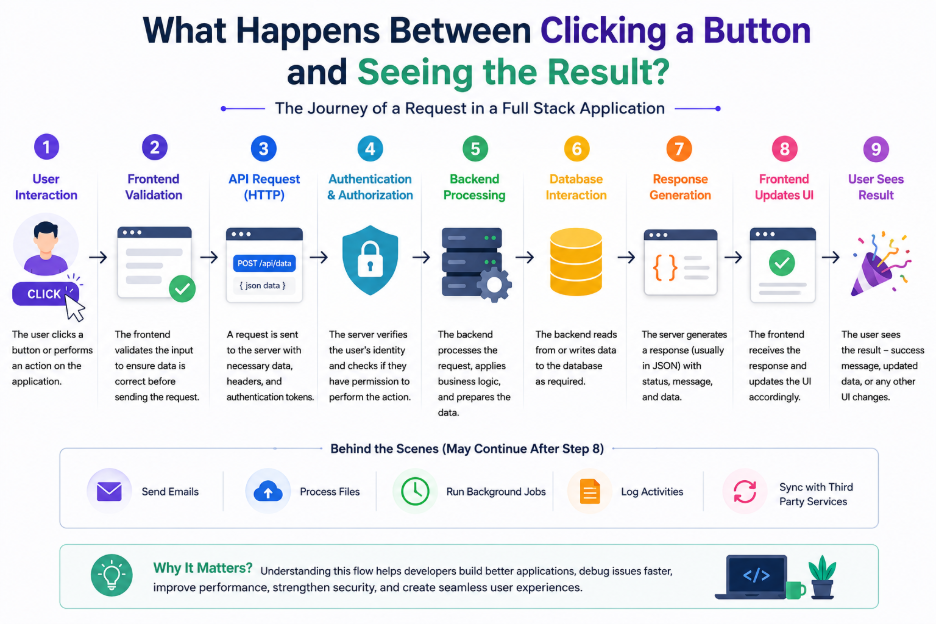
Understanding the Hidden Journey of a Full Stack Application Every day, millions of users interact with web applications by clicking buttons—whether it’s logging in, submitting a form, placing an order, or updating a profile. To the user, the result appears almost instantly. However, behind that single click lies a sophisticated sequence of processes working together seamlessly. As a Full Stack […]
TYPES OF SOFTWARE TESTING
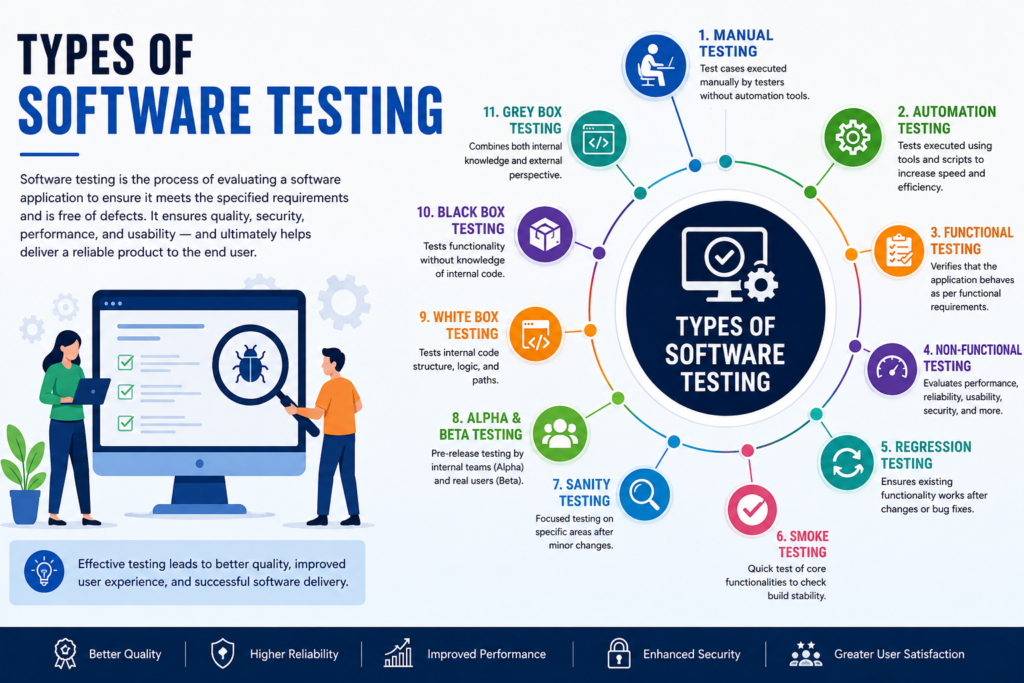
Software testing is the process of evaluating a software application to ensure it meets the specified requirements and is free of defects. It ensures quality, security, performance, and usability — and ultimately helps deliver a reliable product to the end user. 1. Manual Testing Manual Testing is the process of executing test cases manually without the use […]
Regression Testing Strategies That Actually Work for Agile Teams
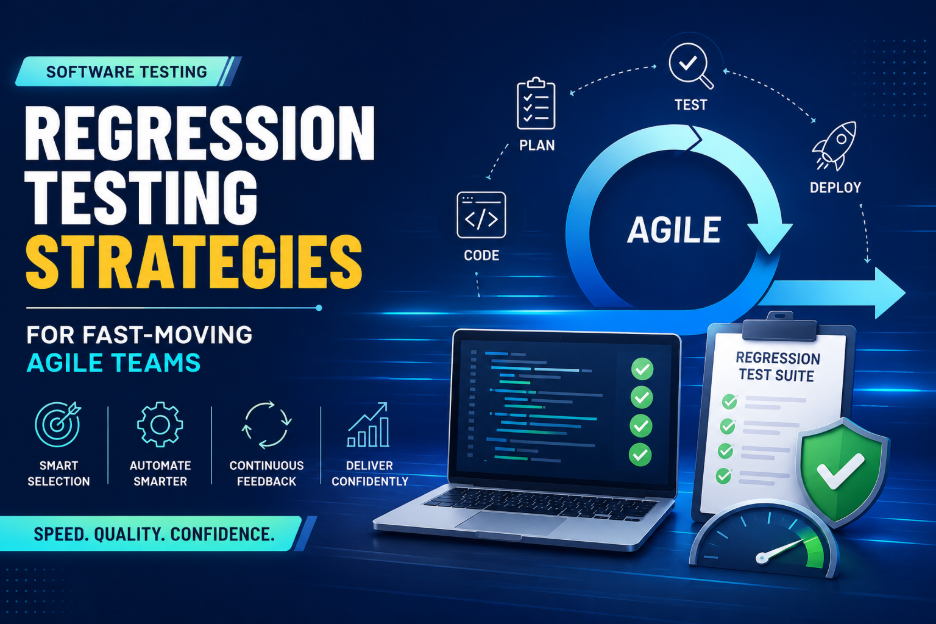
Speed is the whole game in agile development. Teams ship features every sprint, patch bugs within hours, and change direction the moment customer feedback comes in. That speed is great for business, but it comes with a hidden cost: every new change carries the risk of breaking something that already worked. This is exactly why […]
Docker for Beginners: Containers, Images & Docker Compose
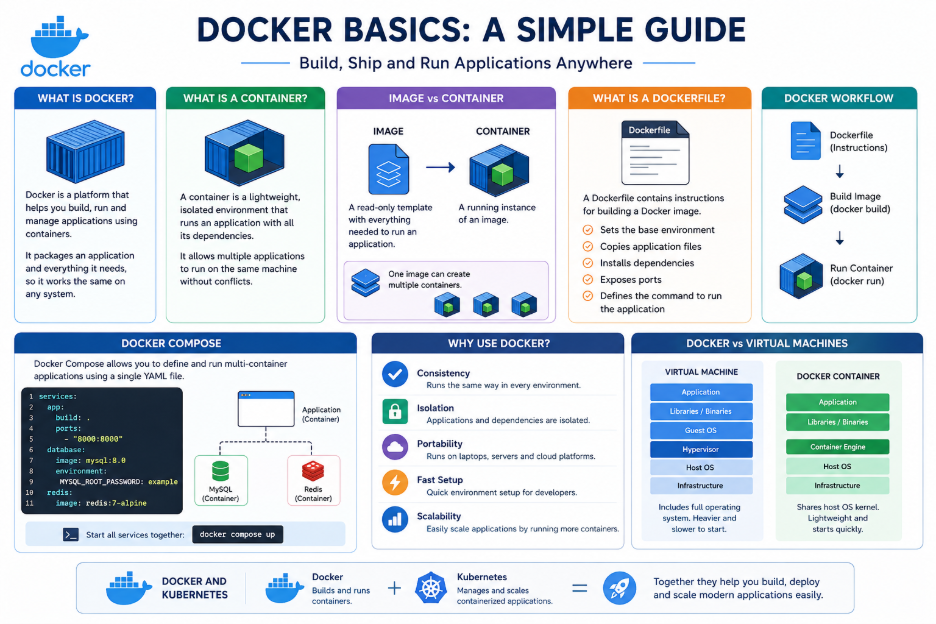
Modern applications need to work consistently across development, testing, and production environments. Differences in software versions, dependencies, and system configurations can create unexpected issues. Docker solves these challenges by packaging an application and everything it needs into a container. As a result, developers can build, run, and deploy applications more efficiently. What is Docker? Docker […]
Kubernetes: A Simple Guide to Container Management
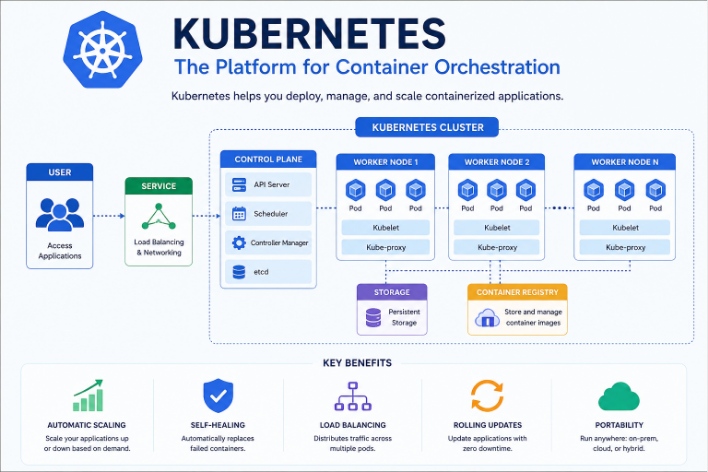
Modern applications often run inside containers, which package the application together with everything it needs to work. When an application grows, managing many containers across different servers can become difficult. This is where Kubernetes helps. What is Kubernetes? Kubernetes, also known as K8s, is an open-source platform used to manage containerised applications. It helps developers deploy, run, scale, and maintain applications automatically. For […]
Role-Based Access Control (RBAC) in Full-Stack Applications
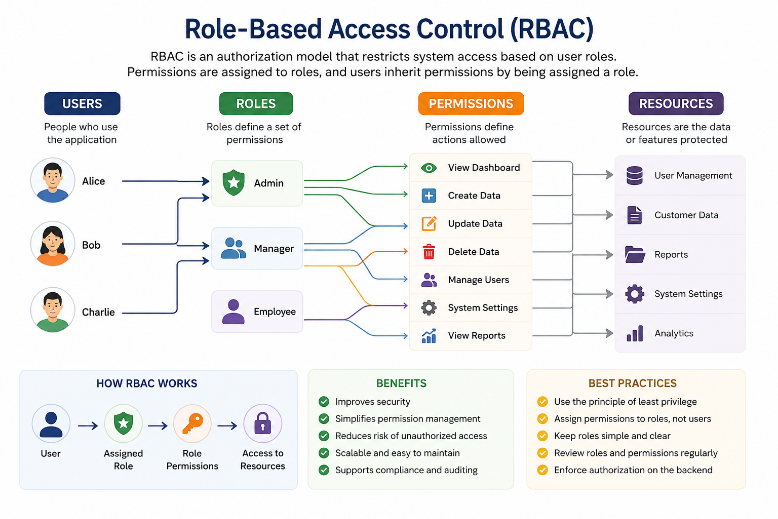
Introduction As web applications become more complex, they often serve users with different responsibilities and levels of access. For example, an e-commerce platform may have customers, sellers, and administrators, while a company management system may include employees, managers, HR personnel, and administrators. Since each user performs different tasks, they should only be able to access the […]
Laravel Eloquent ORM
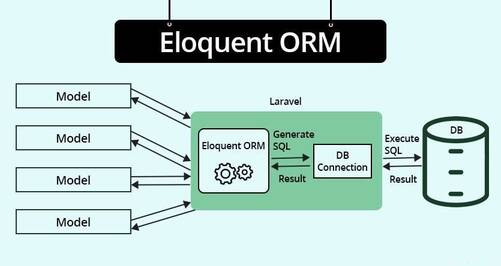
Laravel’s Eloquent ORM (Object Relational Mapping) is one of the most powerful and developer-friendly features of the framework. It allows you to interact with your database using simple PHP objects, instead of writing complex SQL queries. This deep dive will help you fully understand how Eloquent works and how to use it effectively in real projects. 1. What is […]
Improving User Experience with Vue.js Animations
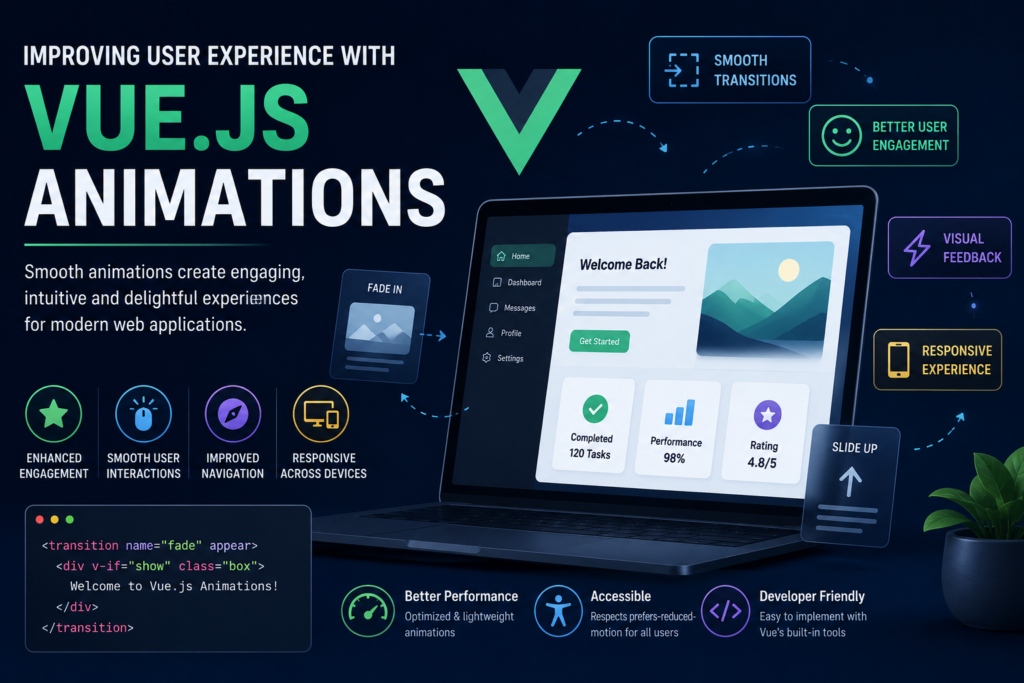
In today’s digital world, users expect web applications to be more than just functional—they expect them to be visually appealing, responsive, and engaging. A modern application should provide smooth interactions that make navigation feel natural and enjoyable. One of the most effective ways to achieve this is through animations. Well-designed animations guide users, provide visual feedback, […]
The Rise of AI-Powered Cyberattacks: How to Protect Your Business in 2026

Introduction Artificial Intelligence (AI) is transforming industries by automating tasks, improving decision-making, and increasing productivity. However, the same technology that empowers businesses is also giving cybercriminals new ways to launch faster, smarter, and more convincing attacks. From AI-generated phishing emails to deepfake scams and self-evolving malware, cyber threats are becoming increasingly sophisticated. In 2026, organizations of all […]
Natural Language Processing (NLP)
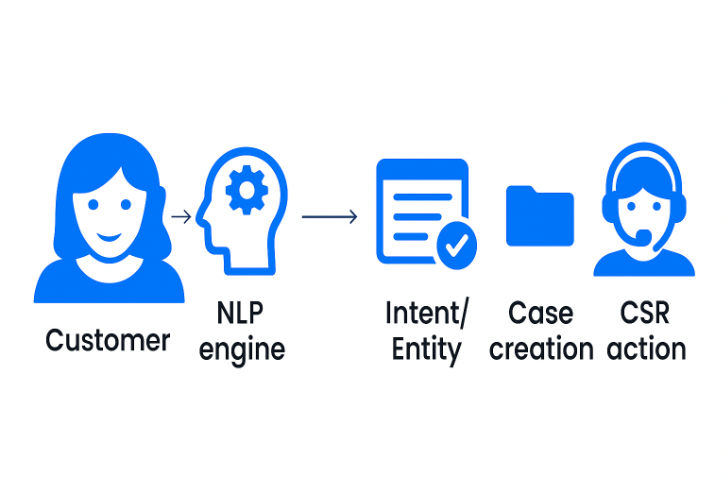
Introduction In today’s digital world, customers connect with businesses through multiple channels—email, chat, social media, and messaging apps. To handle this on a large scale, businesses need more than simple keyword searches. This is where Natural Language Processing (NLP) in Pega comes into play. NLP helps to understand customer intent, sentiment, and entities in real time, enabling faster resolution, personalized service, and reduced […]
